
 Expertise Since 1987
 Rated Excellent
 FLEXIBLE PRICING
Galapagos Island’s Unique Animals
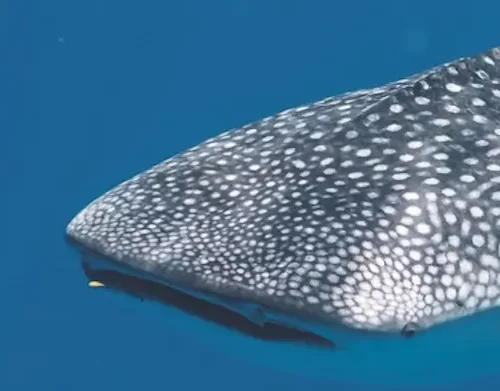
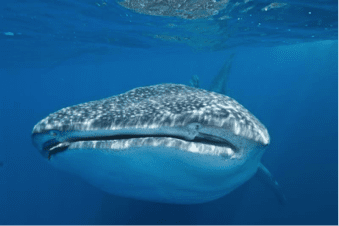
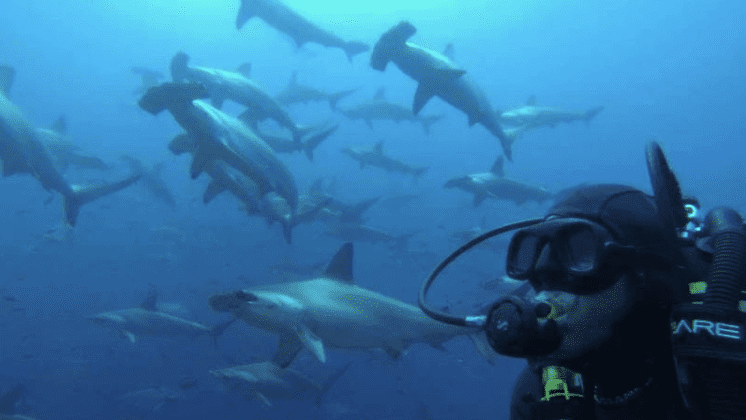
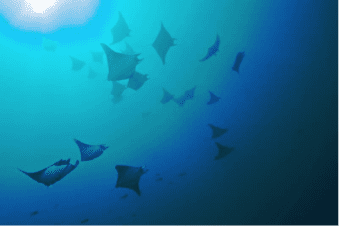
More than 20% of the marine species in the Galapagos are found nowhere else on earth. Underwater you’ll have the chance to see marine iguanas, hammerheads, Galapagos sharks, silky sharks, and whale shark is very possible from June through November. On land, spot giant tortoises, flightless cormorants, Galapagos penguins, and many more captivating creatures.
Both Humboldt Explorer and Tiburon Explorer’s itineraries include land tours to see these local creatures: North Seymour Island walking tour; Santa Cruz Highlands tour to see giant tortoises; large colonies of blue-footed boobies and frigate birds, sea lions and marine iguanas; free time to explore beach town Puerto Ayora. Consider adding even more time to your trip to experience the land animals as well.
Wondering about El Niño and diving in the Galápagos?
Niño conditions are currently present in the equatorial Pacific, and we know some divers are wondering what that means for an upcoming trip. The good news from the water is that current conditions are calmer and clearer than is typical for this time of year. Warmer temps mean wearing less neoprene, too. Marine life is responding to the changing conditions as well. Hammerheads are still being seen, but generally deeper, with recent encounters better at Wolf than Darwin, while sea lions and dolphins are being seen in their usual or above average numbers. Land tours are still full of memorable wildlife encounters.
The Galápagos is naturally dynamic, and El Niño can influence water temperatures, currents and where marine life is found. The vessels continue to operate their established itineraries and dive sites, and encounters will vary from dive to dive, and week to week, as they always do here.
What we can share is what the people in the water are experiencing right now. According to PADI Master Scuba Diver Trainer Victor Chan, who is currently guiding in the Galápagos, there are some noticeable benefits for divers:
FROM THE WATER — SEPTEMBER 2026
“Normally at this time of year, the water is cold around most of the islands. With El Niño, the water is very warm, there is little or no current, and visibility is much better. The sea is calm, making conditions more comfortable for our guests.”
— Victor Chan, PADI MSDT and Galápagos dive guide, September 2026 (Translated from Spanish)
The takeaway: El Niño is changing some of what divers are experiencing in the Galápagos right now, but there is plenty to be excited about. Calmer seas and better visibility are making for comfortable diving, with plenty of marine life throughout the islands. As always in the Galápagos, every dive and every week can bring a once-in-a-lifetime sighting.
Galapagos Islands Diving Conditions
The weather in the Galapagos has water temperatures ranging from 65 -75 degrees F from December through May and 60 – 70 (F) June through November. Water temperatures are at the higher end of the scale in both Darwin and Wolf. Air temperatures range from 75 (F) or higher in the rainy season (December-May) to the mid ’60s (F) during the dry season (June – November), with nearly constant sea breezes.
Currents can range from 1 to 5 knots at the sites we visit, and visibility is generally between 30 and 80 feet. Most divers are comfortable with a 7mm wetsuit June – November with a hooded vest and gloves and a minimum 5 mm wetsuit December – May. Gloves and hoods are strongly recommended.
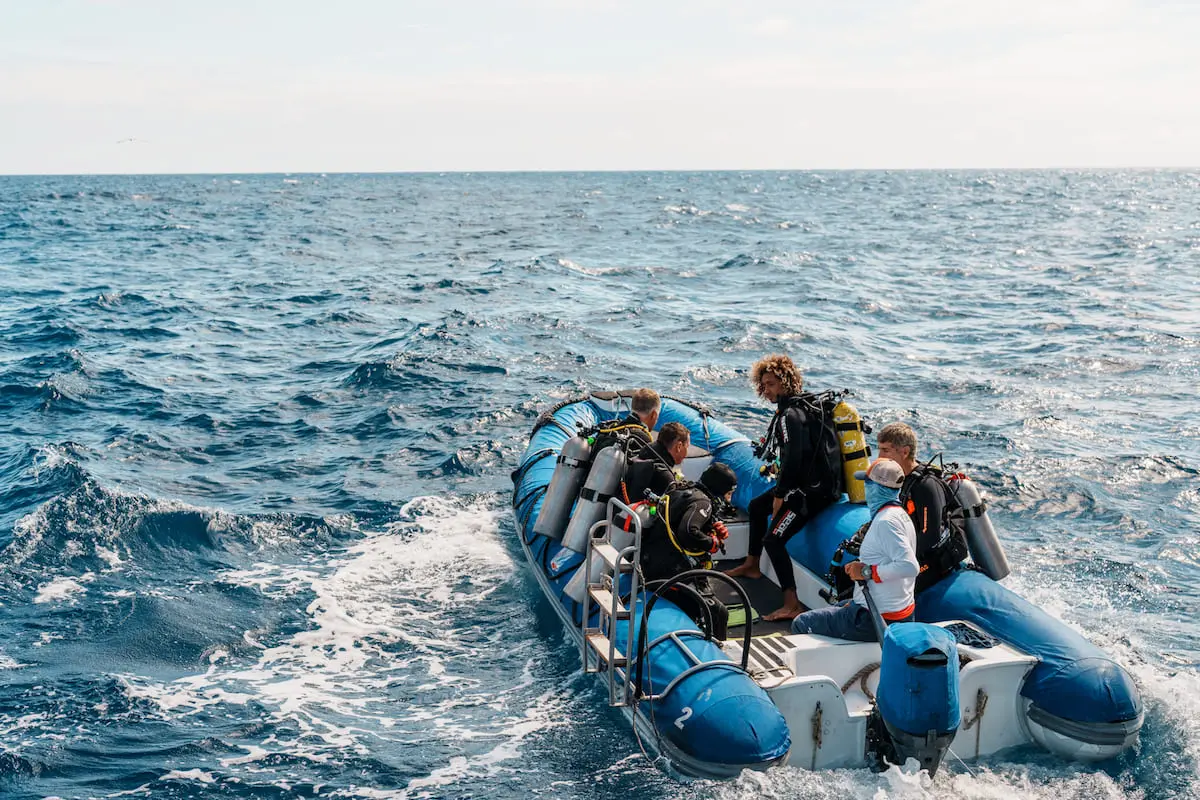
Your Galapagos liveaboard dives will be done from the pangas with an easy backward roll into the water. After you dive, your tank will be lifted back into the panga and you will board via its stern ladders or with assistance from the side.
See our Galapagos scuba diving Frequently-Asked-Question pages for more information on diving in Galapagos.
