
 Expertise Since 1987
 Rated Excellent
 FLEXIBLE PRICING

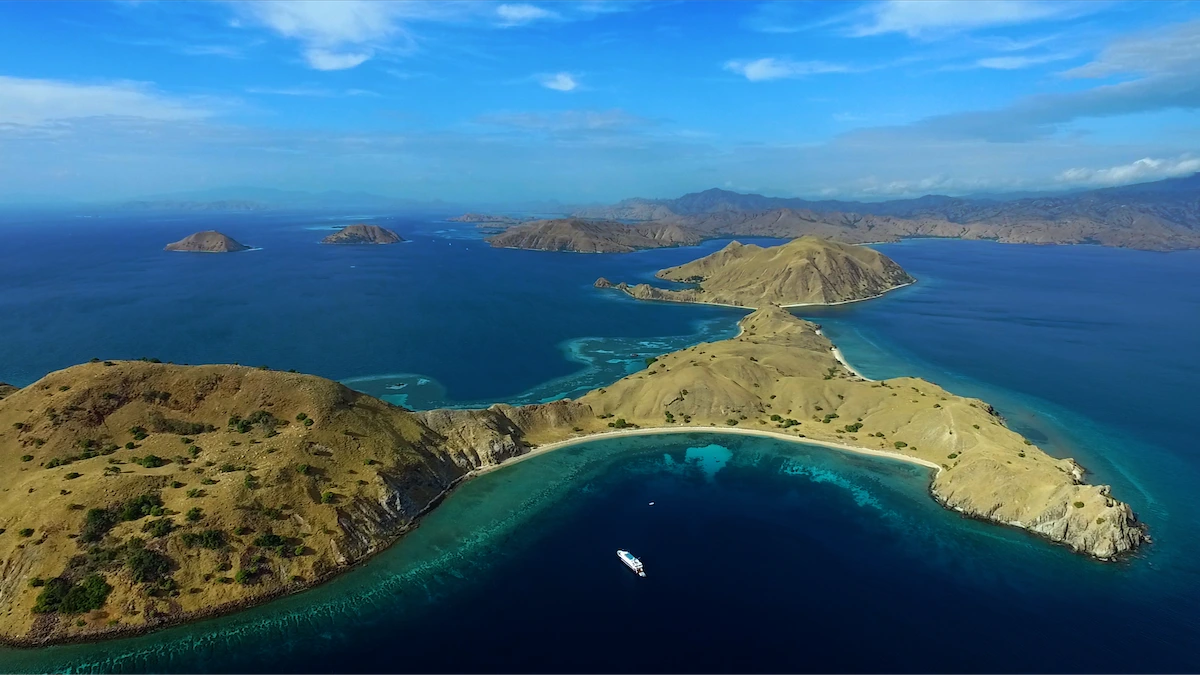
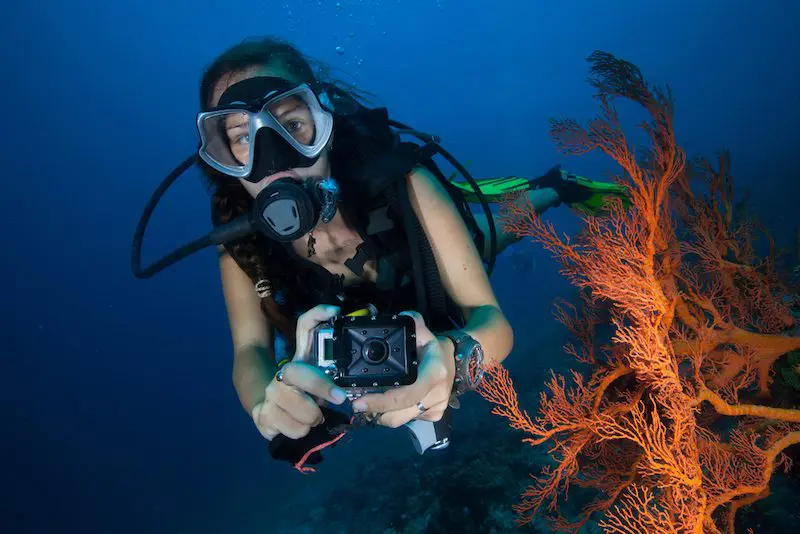
Indonesia Liveaboard Itineraries at a Glance
Explorer Ventures Fleet currently offers five primary Indonesia diving itineraries across some of the most diverse marine regions on Earth. Not all vessels operate every route, and itineraries vary seasonally based on weather and sea conditions.
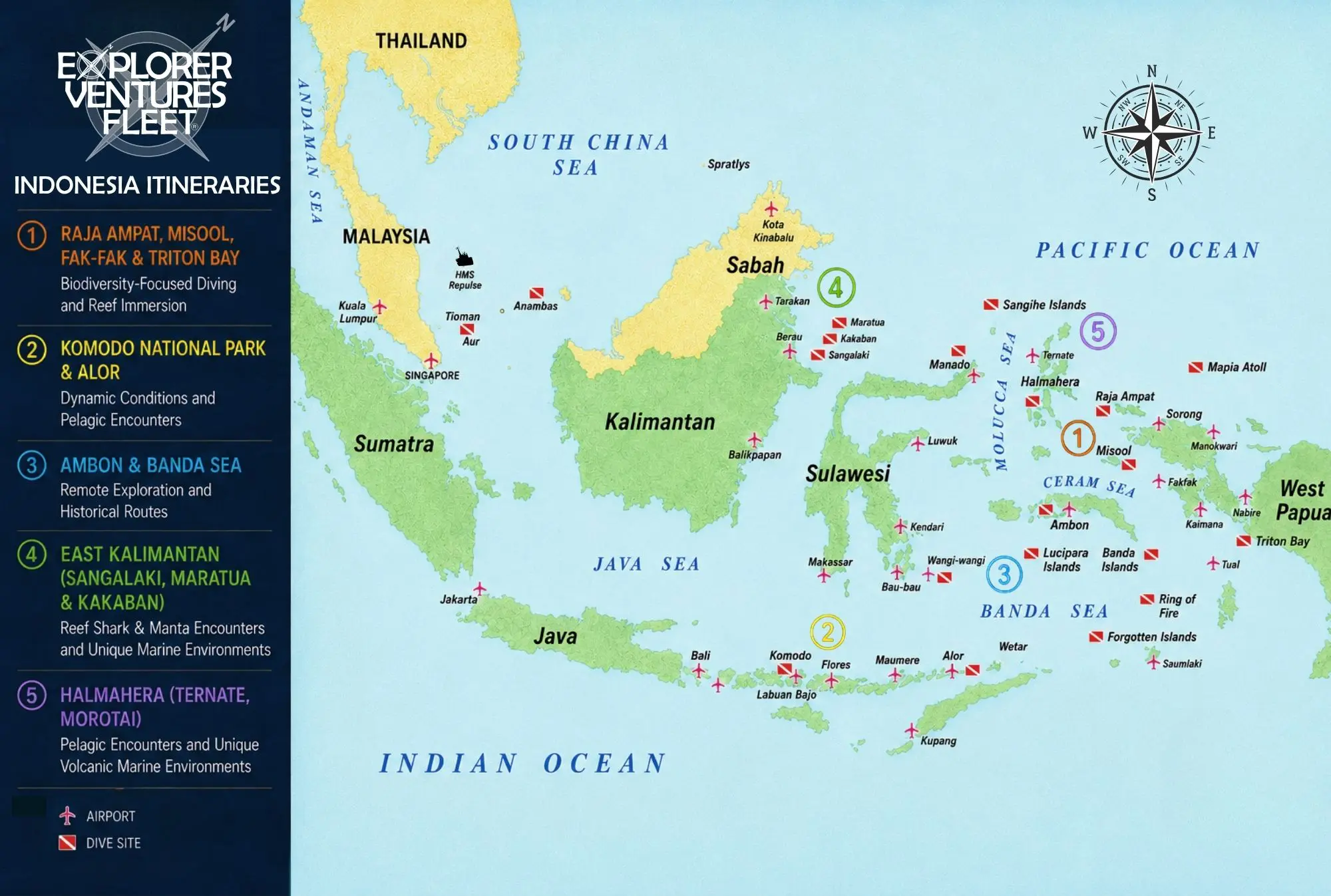
Each itinerary offers a distinct diving experience, from the legendary biodiversity of Raja Ampat and the Banda Sea to volcanic island chains, pelagic-rich currents, and remote exploration in eastern Indonesia. Use the map adjacent to explore the regions we visit and some of the iconic dive sites found along each route.
Raja Ampat, Misool, Fak-Fak and Triton Bay Liveaboard Diving
Biodiversity-focused diving and reef immersion
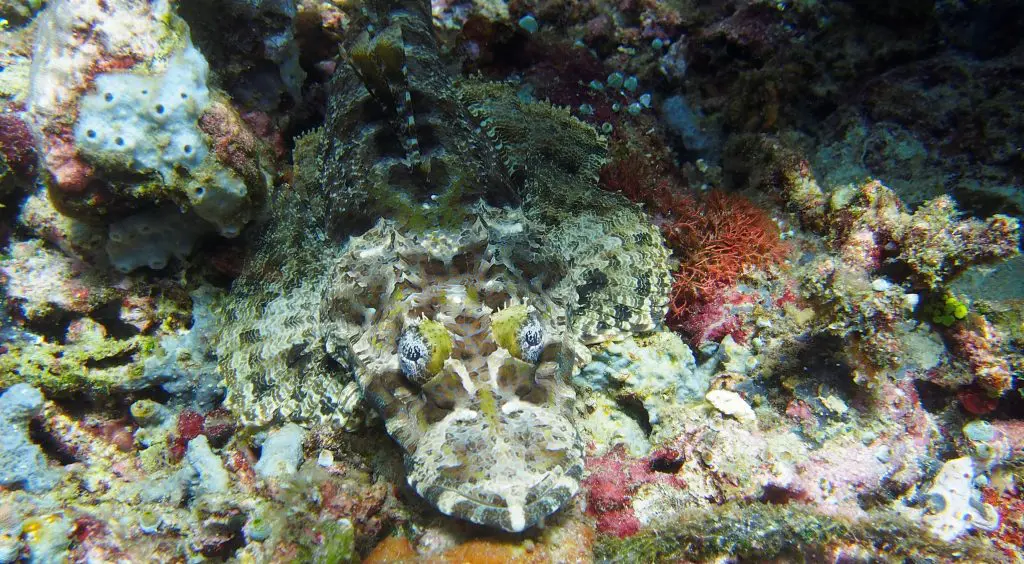
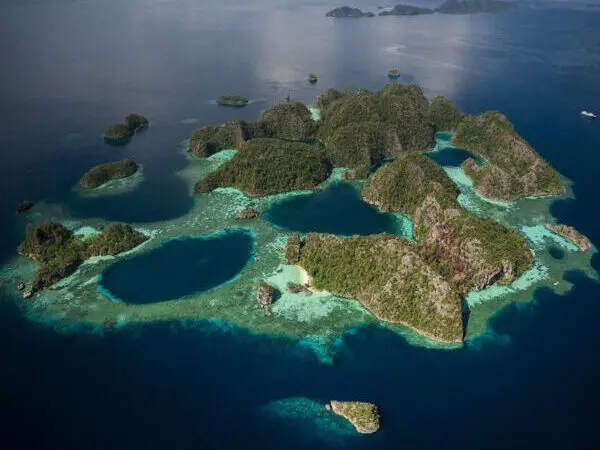
This area is widely recognized for its extraordinary marine biodiversity. Located off the northwest tip of Papua, the region supports a dense concentration of coral and fish species, shaped by nutrient-rich currents and limited coastal development.
Diving here emphasizes reef systems, schooling fish, manta rays (especially in Raja Ampat and Misool), and varied macro life. Conditions are often moderate, allowing divers to spend time observing detail rather than managing challenging currents on every dive.
Fak-Fak and Triton Bay are well known as a remote heaven for macro-lovers and photographers, where many endemic species can be encountered. Dolphin encounters are not rare and snorkeling with whalesharks near to “bagans” (local fishermen floating houses) is offered on all of these specific trips.
This itinerary suits divers who:
-
- Prioritize marine diversity and healthy reef systems
-
- Enjoy a balance of wide-angle and macro opportunities
-
- Prefer immersive, visually rich diving over high-adrenaline profiles
Operated aboard: White Manta Explorer and Blue Manta Explorer on select departures
Komodo National Park & Alor Liveaboard Diving
Dynamic conditions and pelagic encounters in Komodo. Corals & Critters’ heaven in Alor.
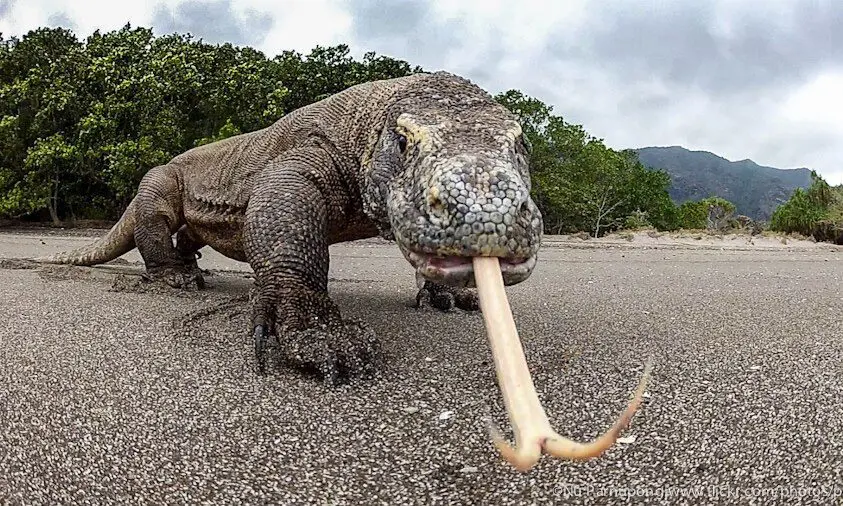
Komodo National Park is known for its strong tidal exchanges, dramatic underwater topography, and consistent pelagic activity. Diving conditions can be demanding, with fast-moving currents and temperature variation between the northern and the southern part.
Dives often involve pinnacles, seamounts, and drift profiles where reef sharks, manta rays, turtles, and dense fish life are commonly encountered. Conditions vary by tide and site, making briefings and timing central to the experience.
In Alor, stunning healthy reefs, loads of fish life and rare critters await passionate photographers. This area remains pretty out of the beaten tracks, with just a few diving operations. No underwater traffic guaranteed! A real heaven for divers looking for a great feeling of exclusivity.
This itinerary suits divers who:
-
- Are comfortable diving in current and variable conditions
-
- Seek physically engaging, action-oriented dives (especially in Komodo)
-
- Enjoy sites where conditions shape the experience
-
- Are looking for wide-angle & macro photography.
Operated aboard: Blue Manta Explorer on select departures
Ambon & Banda Sea Liveaboard Diving
Remote exploration and historical routes
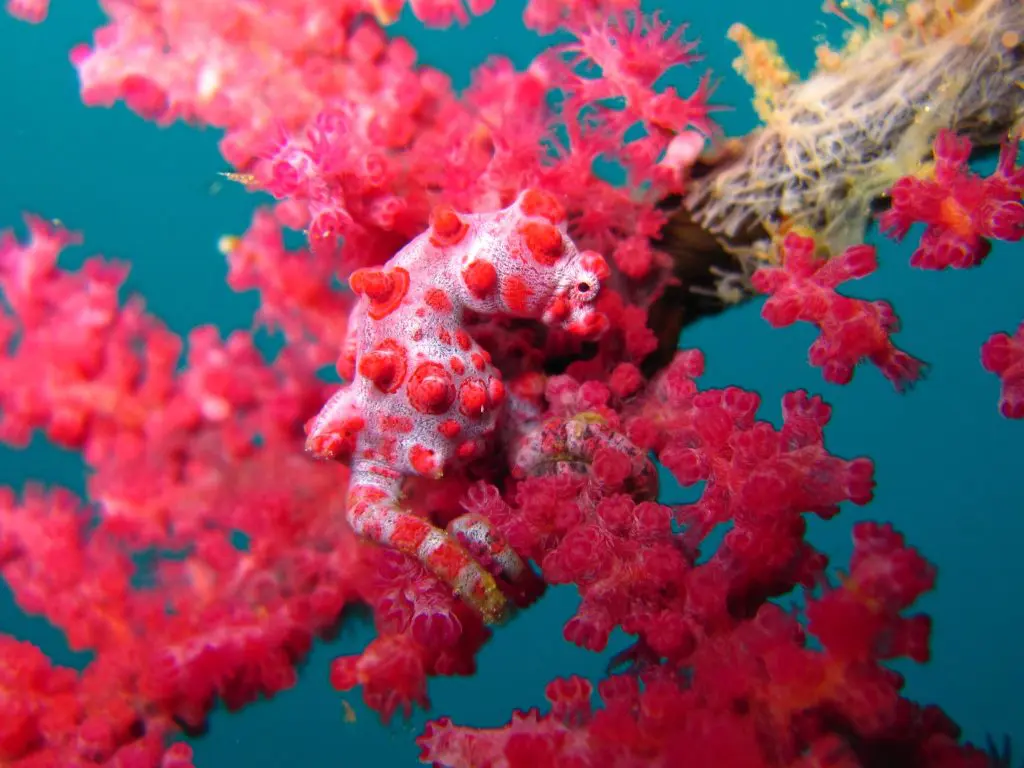
This itinerary connects some of Indonesia’s least-visited regions, spanning historic spice islands, deep-water crossings, and rarely dived reefs. Marine life can range from macro-rich environments to pelagic encounters, depending on location and season.
The Ambon Bay is well known for its amazing muck dives, where rhinopias, rare frog fishes and nudibranchs can be spotted easily.
From September to November, schooling hammerhead sharks are often sighted in the Banda Sea, patrolling along dramatic drop-offs and active submarine volcanos. Underwater hot springs are surrounded by hundreds of sea snakes, while schools of jacks, barracudas and thunas can be often spotted in the blue.
Conditions and visibility vary, and flexibility is part of the experience. The route appeals to divers who value exploration, changing environments, and time spent in areas far from established dive tourism.
This itinerary suits divers who:
-
- Have experience with liveaboard diving and remote conditions
-
- Value exploration and variety over predictability
-
- Are interested in both marine life and regional history
Operated aboard: White Manta Explorer & Blue Manta Explorer on select departures
East Kalimantan (Sangalaki, Maratua & Kakaban) Liveaboard Diving
Reef shark & Manta encounters and unique marine environments
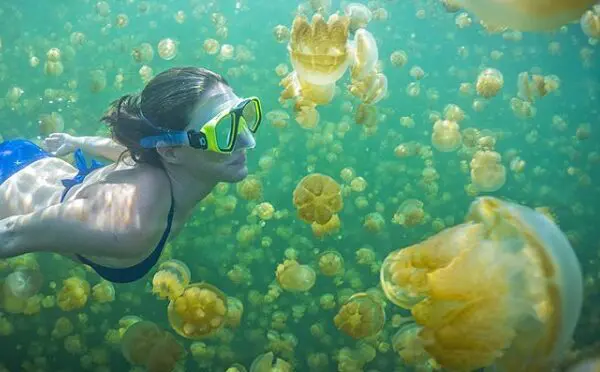
East Kalimantan, Borneo’s offshore islands offer a different style of Indonesian diving. The region is known for some pelagic activity, colorful reefs, rare macro and Kakaban’s drop offs & Jelly Fish lake. Nurse sharks, white tip reef sharks, whalesharks and tresher sharks are often spotted in this area.
Diving here is generally less current-driven than Komodo, with an emphasis on encounters, reef exploration, and observation. The area’s isolation contributes to the health of its marine ecosystems.
This itinerary suits divers who:
-
- Prioritize pelagic encounters
-
- Are interested in distinctive marine environments
-
- Prefer a calmer pace while still accessing remote sites
Operated aboard: White Manta Explorer on select departures
Halmahera (Ternate, Morotaï) Liveaboard Diving
Pelagic encounters and unique volcanic marine environments
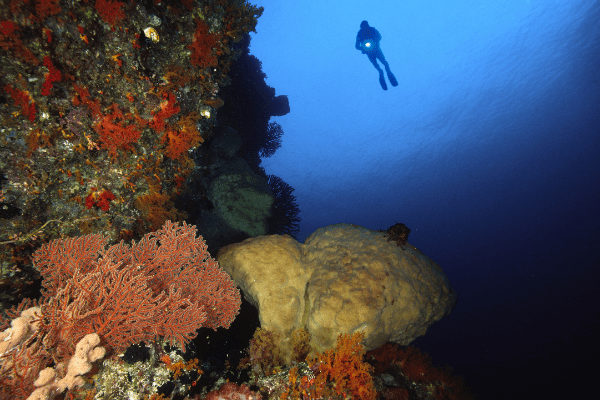
Situated in the Molluccas Sea, between West Papua and North Sulawesi, the island of Halmahera has an amazing marine topography, sculpted by the volcanic activity; caves, overhangs, steep slopes, tunnels, all covered with a vast variety of soft corals. Manta Ray and reef shark encounters are pretty common. Loads of rare critters can be seen, as well as a dugong, if you’re lucky!
Diving here is from easy to challenging, because of several spots exposed to strong currents. The area’s isolation contributes to the health of its unique marine ecosystems.
This itinerary suits divers who:
-
- Wants a great variety of dive sites
-
- Are interested in distinctive seascapes
-
- Prefer a calmer pace while still accessing remote sites
Operated aboard: White Manta Explorer on select departures
Choosing the Right Indonesia Itinerary
Indonesia offers multiple diving styles within a single country. Choosing the right itinerary depends on comfort with conditions, experience level, and personal interests.
- Raja Ampat, Misool and Triton Bay emphasizes biodiversity and reef systems
- Komodo delivers current-driven dives and pelagic action
- Banda Sea focus on exploration and hammerhead encounters
- Sangalaki, Maratua, and Kakaban highlight manta encounters and unique ecosystems
- Halmahera & Morotaï abonds of different volcanic seascapes, patrolled by pelagics.
All our itineraries offer a great variety of dives, from easy to challenging. Strong currents can happen any time (especially in Komodo and the Banda Sea). Therefore, and to enjoy all dives, we strongly recommend to our guests to be Advanced Diver certified, with at least 50 logged dives, and a Nitrox certification.
Travel timing and seasonal conditions also play a role. Availability and routing vary by vessel, and not all itineraries operate year-round. Both vessels are always sailing at the right place, at the right time of the year.
Plan an Indonesia Liveaboard Diving Trip
Indonesia rewards divers who spend time exploring its regions rather than treating the country as a single destination. Liveaboard itineraries provide repeated access to remote sites, flexibility around conditions, and the opportunity to experience how marine ecosystems change across geography.
*For guidance selecting the most suitable Indonesia itinerary, contact the reservations team who can assist with route comparisons and timing considerations.
Frequently Asked Questions
What are the best liveaboard diving destinations in Indonesia?
Indonesia offers several world-class liveaboard regions, including Raja Ampat, Komodo National Park, the Banda Sea, Halmahera, Alor, Triton Bay, and Sangalaki. Each destination offers a different experience, from coral-rich reefs and macro life to strong currents and pelagic encounters.
How do I choose the right Indonesia liveaboard itinerary?
Choosing the right itinerary depends on your experience level and what you want to see. Raja Ampat is known for biodiversity, Komodo for strong currents and variety, Banda Sea for pelagic encounters, and Halmahera for remote, less-crowded diving. Reviewing each region’s conditions and highlights is the best way to decide.
When is the best time to go liveaboard diving in Indonesia?
Indonesia can be dived year-round, but each region has its own season. Raja Ampat is best from October to April, Komodo is strong most of the year, and Banda Sea itineraries typically run in September to November. Travel timing depends on the specific destination.
Which Indonesia liveaboard itinerary is best for first-time visitors?
Raja Ampat and Komodo are often strong starting points due to their range of dive sites and established routes. They offer a mix of conditions and marine life that gives a well-rounded introduction to Indonesia diving.
How do Indonesia liveaboard itineraries differ from one another?
Each itinerary is shaped by geography and season. Some focus on coral reefs and biodiversity (Raja Ampat, Triton Bay), while others emphasize currents and pelagic encounters (Komodo, Banda Sea). Routes like Halmahera and Alor offer more remote, exploratory diving.
Which itineraries are best for experienced divers?
Itineraries such as Komodo, Alor, Banda Sea, and Halmahera are well suited for experienced divers, as they often involve stronger currents, more exposed sites, and more variable conditions.
Can I combine multiple Indonesia destinations in one itinerary?
Some itineraries connect multiple regions, such as routes linking Halmahera with Raja Ampat or Lembeh. These longer trips offer a broader view of Indonesia’s diving but require more time.
How many dives are included in a typical itinerary?
Most Indonesia liveaboard itineraries include 3–4 dives per day, with total dives ranging from approximately 20 to 30 depending on trip length and routing.
Which itinerary offers the most remote diving experience?
Halmahera, Banda Sea, and parts of Alor are considered among the most remote itineraries, with fewer boats and less-developed dive infrastructure.
