
 Expertise Since 1987
 Rated Excellent
 FLEXIBLE PRICING
Liveaboard diving offers something most dive trips can’t: immersion. You’re living at sea, diving multiple times a day, and sharing the rhythm of the ocean with a small group of like-minded divers. It’s also why liveaboards come with a slightly different learning curve, even for experienced divers.
Watch First: Top 10 Liveaboard Common Mistakes and How to Avoid Them
In the Scuba Diver video above, common liveaboard diving mistakes are broken down by divers who’ve seen them play out time and again. Not because people are careless, but because liveaboards operate differently than shore-based diving.
Below, we expand those points with added context from decades of liveaboard experience across the Explorer Ventures Fleet.
Forgetting the Small Things That Matter Most
One of the first points raised in the video is surprisingly simple: overlooking essentials like weights, small gear items, and hydration.
Liveaboards are well-equipped, but divers are still responsible for their personal setup. Diving with familiar gear and bringing a few basic spares can make a noticeable difference, helping the week unfold more smoothly and with less stress.
Hydration is another easy thing to underestimate. Drinking plenty of water before, between, and after dives supports circulation and temperature regulation, and plays an important role in efficient gas exchange – key factors in staying comfortable throughout busy repetitive dive days.
Seasoned liveaboard guests tend to focus less on “what if” scenarios and more on consistency and comfort, keeping the essentials dialed in so they can enjoy a full week of diving without distractions.
Underestimating Conditions and Itineraries
The video highlights how important it is to understand where and how you’ll be diving, not just what you hope to see.
Liveaboard itineraries are built around seasonal conditions, currents, and marine life patterns. Some routes involve strong currents and blue-water ascents. Others focus on walls, reefs, or macro life. Choosing the wrong itinerary for your experience level can shape the entire trip.
That’s why researching routes and booking with operators who know those routes well makes such a difference. A well-matched itinerary feels challenging in the right ways, not overwhelming.
Packing Poorly (or Packing Too Much)
Another common theme from the video: packing mistakes.
Liveaboard cabins are comfortable, but space is shared. Soft luggage, compact gear, and realistic clothing choices help keep things organized. Most divers quickly discover they need far less than they initially packed, especially once the rhythm of dive, eat, rest, repeat sets in.
What matters more than extra outfits? Sun protection, reef-safe sunscreen, hydration, and comfortable post-dive clothing.
Ignoring the Pace of Repetitive Diving
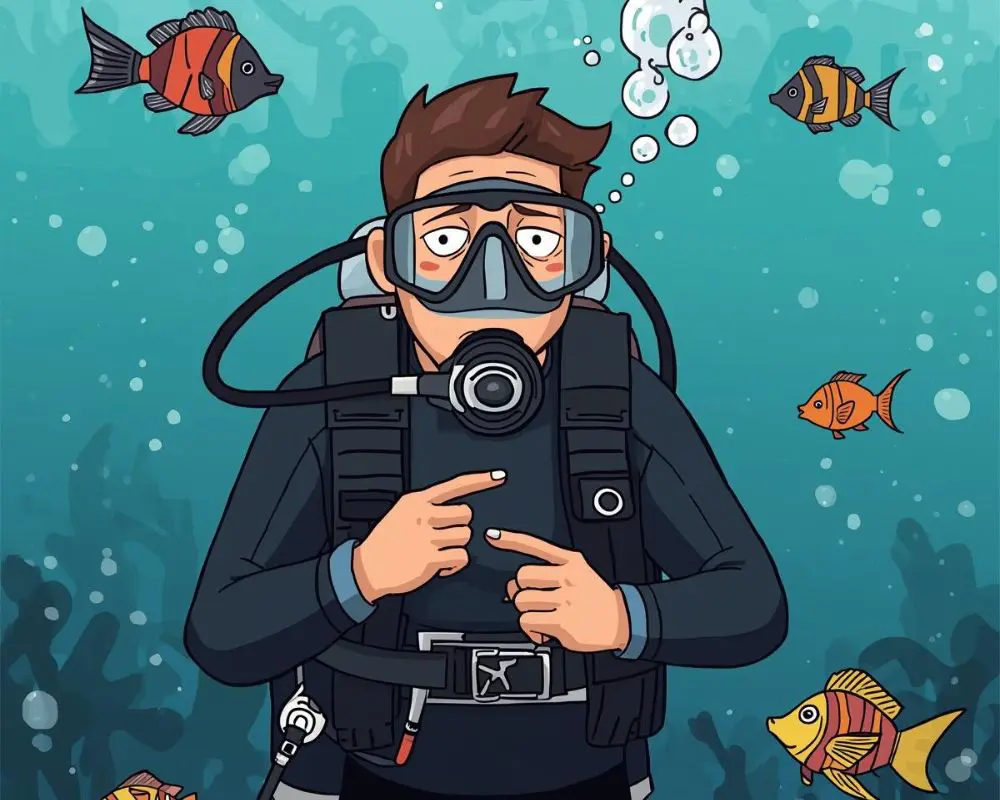
Multiple dives per day are a highlight of liveaboard trips, and also where divers can sometimes overextend themselves.
The video touches on rest and listening to your body, which can’t be overstated. Liveaboard diving rewards a steady sustainable pace. Skipping a dive to recharge, limiting alcohol intake in the evenings, sleeping well, or simply enjoying the view from the deck can make a noticeable difference over the course of the week.
Seasoned liveaboard divers know it’s not about doing every dive; it’s about feeling good from the first splash to the last.
Bringing New Gear Without Knowing It
Liveaboards aren’t the ideal testing ground for unfamiliar equipment.
As mentioned in the video, issues with regulators, SPGs, or camera setups tend to surface when gear hasn’t been fully dialed in beforehand. Divers who arrive with well-maintained, familiar equipment usually experience smoother days and more relaxed dives.
A little preparation before departure often prevents small issues from becoming daily annoyances.
Trying to Photograph Every Single Dive
Cameras are a big part of liveaboard life and many vessels are designed with photographers in mind. Still, the video offers a good reminder: not every dive needs to be a photo dive.
Putting the camera down occasionally allows divers to stay present, reduce task loading, and simply enjoy the experience. Ironically, those relaxed dives often lead to better photos later in the week.
The Takeaway: Liveaboards Reward Preparation and Flexibility
Liveaboard diving isn’t difficult, it’s just different. Divers who arrive prepared, curious, and flexible tend to get the most out of the experience. Sea conditions change, wildlife surprises, and no two days unfold exactly the same way. That’s part of the appeal.
Across destinations worldwide, the Explorer Ventures Fleet focuses on creating an environment where divers can settle into that rhythm – supported by professional crews, well-maintained vessels, and itineraries shaped by experience.
Plan Your Liveaboard Trip!
If a liveaboard is on your horizon – whether it’s your first or your fifth – taking time to understand how these trips work can make all the difference.
Explore destinations, itineraries, and current specials across the Explorer Ventures Fleet:
