
 Expertise Since 1987
 Rated Excellent
 FLEXIBLE PRICING
Celebrating women working in ocean science and science-informed diving roles.
February 11, the International Day of Women and Girls in Science, is a reminder that science doesn’t only happen in labs, universities, or meeting rooms. In the ocean world, much of it happens elsewhere: on dive decks, underwater, and across weeks spent living at sea.
From coral growth surveys and fish counts to shark research and reef monitoring, ocean science is closely tied to diving. It often involves returning to the same sites repeatedly, adapting to changing conditions, and spending extended time offshore. Learning happens onboard, between dives, as much as during them. Access to that kind of hands-on experience often matters more than a single credential on a résumé. It builds judgment, confidence, and lived understanding of the ocean, not as a series of isolated dive sites, but as a connected system shaped by pressure, temperature, weather, and human activity over time.
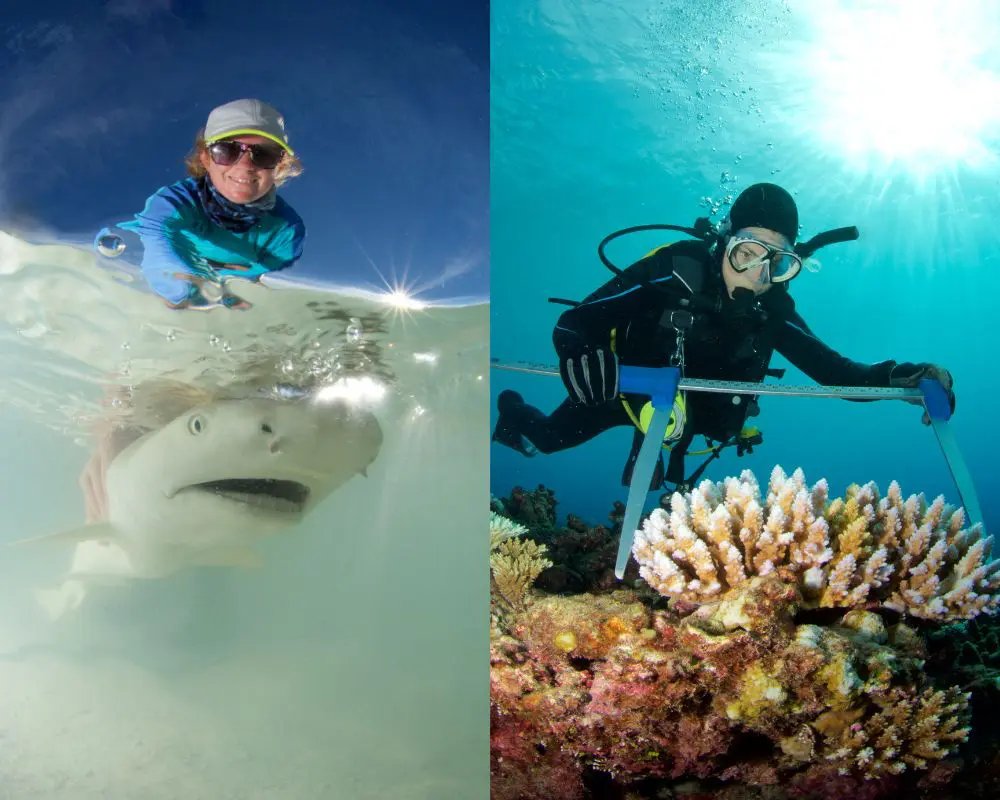
For women working in ocean science and science-informed diving roles, that access can shape a career. Time at sea isn’t a shortcut to a title. It sharpens instinct and perceptions and builds confidence through showing up day after day in changing conditions and learning to read patterns as they emerge. It’s an irreplaceable part of building a career in ocean science.
Science That Happens One Dive at a Time
Marine science doesn’t unfold in controlled settings. It unfolds through repetition in a constantly changing environment. Divers return to the same sites across multiple days, weeks, or even years – noticing how currents shift, how visibility changes, and how marine life responds to subtle environmental cues.
Liveaboard diving supports this kind of learning by creating continuity. Living onboard means waking up, gearing up, and returning to the water day after day. Briefings build on previous dives. Surface intervals become time to compare notes. Understanding develops not from a single observation, but from paying attention over time and documenting what changes.
That rhythm builds familiarity in the water and comfort in variable conditions. For women entering or advancing in ocean science and conservation, this immersion develops practical skills and observational insight that carry across projects, teams, and disciplines.
Why Liveaboard Access Can Shape Who Participates
Time at sea has played a defining role in ocean science, and for many women, it has marked a turning point in what felt possible.
Pioneer Dr. Sylvia Earle logged more than 7,500 hours underwater and participated in over 100 expeditions at sea, much of that work taking place at a time when women were rarely included on extended marine research trips. Her career helped establish that leadership in ocean science is grounded in curiosity, persistence, and capability, not gender.
Today, women are far more likely to be part of, and lead, research teams working offshore. Many serve as dive leaders, principal investigators, and field scientists, building careers that unfold not only in laboratories, but through repeated dives and long days at sea.
Liveaboard environments support this work by providing continuous access to the sites field science depends on. Life onboard also creates space for collaboration, realistic problem-solving, and adapting to changing conditions. As women continue to take on visible leadership roles in these environments, their presence at sea becomes expected rather than exceptional. Each generation working offshore helps make the path clearer for the next.
A Career Built Through Diving and Time at Sea
Sarah Urquhart, Operations Manager for the Explorer Ventures Liveaboard Fleet, experienced this progression firsthand. Before moving into fleet operations, Sarah worked as a dive instructor internationally, served as a dive instructor then vessel captain aboard Caribbean Explorer II, and spent time at a shark research lab in the Bahamas. Much of her learning happened underwater and onboard vessels, not behind a desk.
“Time at sea played a huge role in my path,” Sarah says. “Working as a dive instructor, captaining vessels, and being part of research environments all built on each other. Being immersed in that world helped me understand not just the science, but how everything fits together.”
Those experiences continue to shape how Sarah approaches operations today, from safety and logistics to teamwork and communication. Her perspective is rooted in years of diving, living aboard vessels, and working closely with people in demanding marine environments.
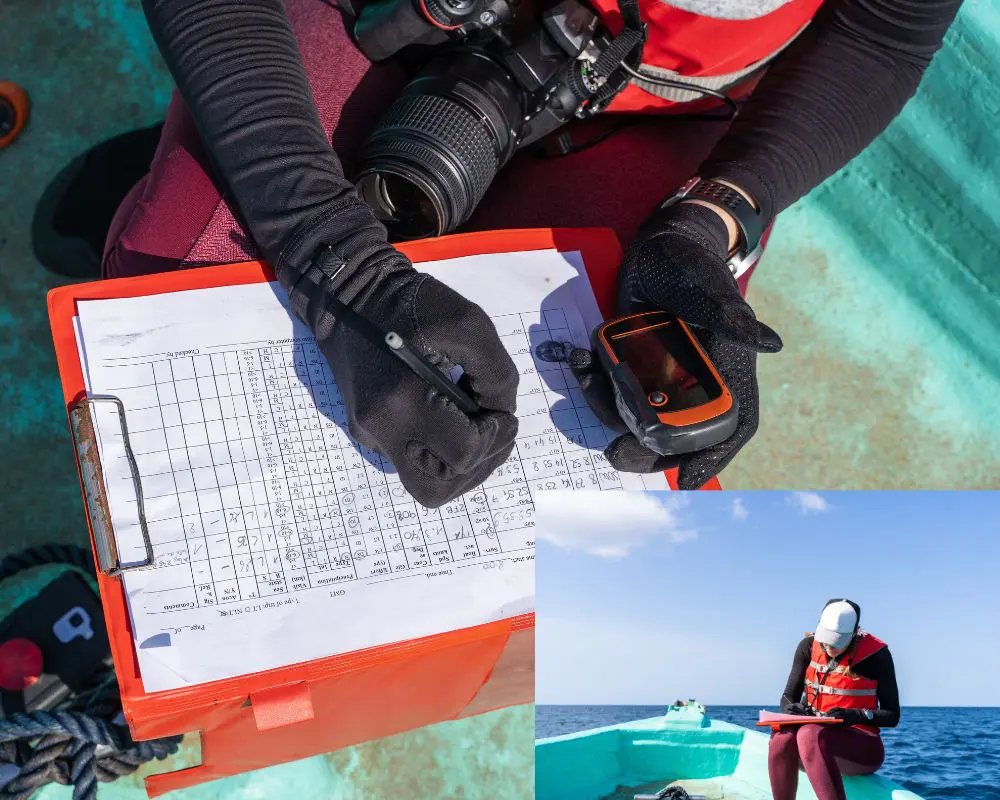
Liveaboards as Platforms for Learning and Stewardship
Over the years, Explorer Ventures Fleet’s vessels have supported science-informed and conservation-focused efforts by operating where diving, observation, and access intersect – on the water.
Through the fleet’s environmental management program, Dive Green, Explorer Ventures Fleet actively prioritizes this kind of engagement. That includes supporting coral restoration initiatives with partners like the Turks & Caicos Reef Fund, participating in ocean debris removal led by crew aboard Caribbean Explorer II, and operating in regions central to shark research and monitoring such as the Saba Bank. Together, these efforts reflect how liveaboard platforms can support applied ocean science through time, access, and sustained presence.
Youth education and advocacy also play a role in shaping future pathways. Stories like Isabelle Ho’s youth-led ocean advocacy show how early exposure to diving and the ocean can build confidence, curiosity, and long-term engagement with science and conservation.
Taken together, these experiences highlight how time at sea supports learning and stewardship in ways that extend beyond a single dive or trip.
Why This Matters
Ocean science depends on people who understand systems, patterns, and change over time.
Diving and liveaboard life build that understanding through repetition, responsibility, and shared experience, the kind that can’t be gained through occasional access to the ocean.
On this International Day of Women and Girls in Science, it’s worth recognizing that progress often begins with access, and the opportunity to stay long enough to learn. Sometimes it looks like long days on a dive deck. Sometimes it’s a logbook filled after the fourth dive of the day. And sometimes it’s a young diver seeing women working confidently at sea and realizing those roles aren’t theoretical. They’re possible.
Interested in Working at Sea?
Careers in the liveaboard diving industry draw from many backgrounds, including diving, science, education, operations, and guest services. They offer a rare kind of access to the ocean that supports both professional growth and deeper understanding.
For those interested in combining time at sea with meaningful work and building experience that comes from sustained immersion, Explorer Ventures Fleet periodically offers opportunities to join teams onboard in the Caribbean.
Learn more about current openings and working with the fleet here: Fleet Employment
