
 Expertise Since 1987
 Rated Excellent
 FLEXIBLE PRICING

Camera tables, charging stations, rinse tanks and the little details that make a difference when you’re diving with a camera. Here’s what underwater photographers should look for when choosing a liveaboard.
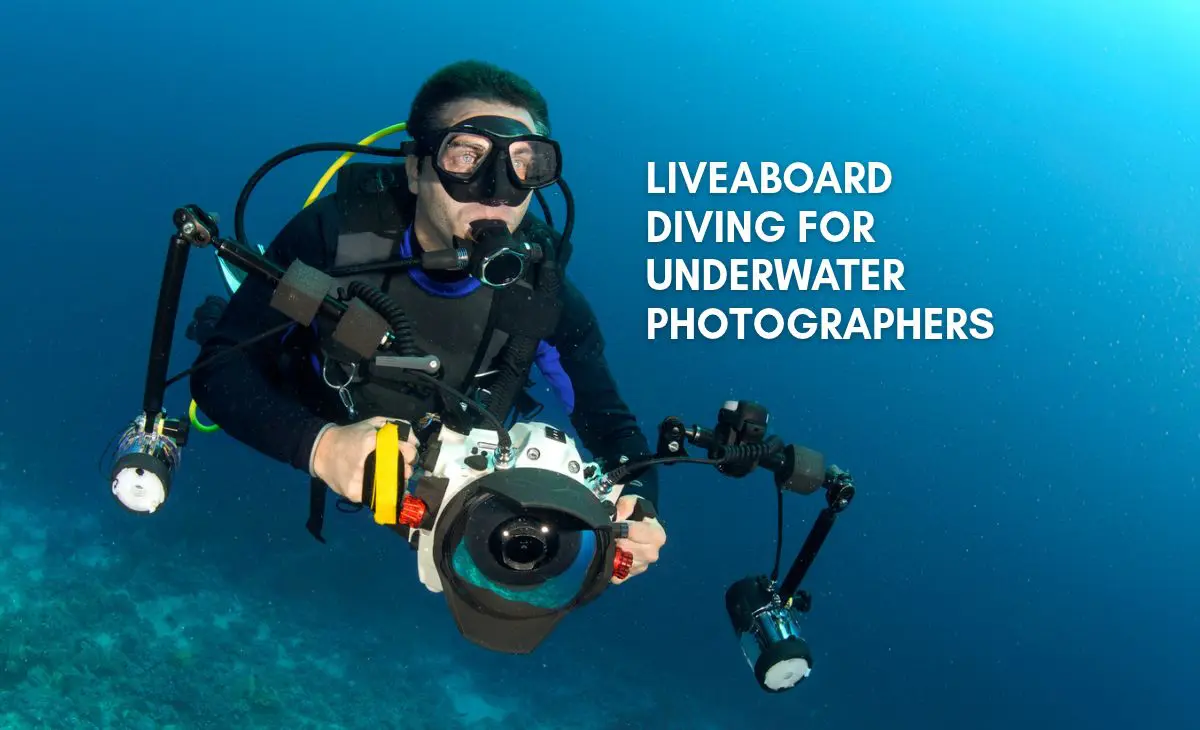
Ask an underwater photographer about their favorite dive, and there’s a good chance they’ll tell you about the shot they almost got.
The hammerhead that passed just beyond the camera’s reach. The tiny seahorse perfectly positioned until the current shifted. Or the manta ray that appeared on the one dive they decided to bring a macro lens.
Underwater photography comes with its own collection of challenges, and plenty of them happen above the surface. Batteries need charging, housings need rinsing, strobes need adjusting, and there’s always another memory card to find. On a liveaboard, where several dives can be packed into a single day, having the right facilities makes all of that considerably easier.
For photographers traveling with a GoPro or compact camera, a small charging area and a safe place to rinse equipment may be enough. Those bringing large housings, multiple strobes, video lights and interchangeable lenses will have a different set of priorities.
The good news is that many modern liveaboards are designed with underwater photographers in mind. Across Explorer Ventures Fleet, facilities range from spacious camera tables on the dive deck to dedicated, air-conditioned camera rooms with individual workstations.
Here’s what is vital when choosing a boat, and how those features differ across the fleet.
Jump to Section
The Camera Table: More Important Than You Might Think
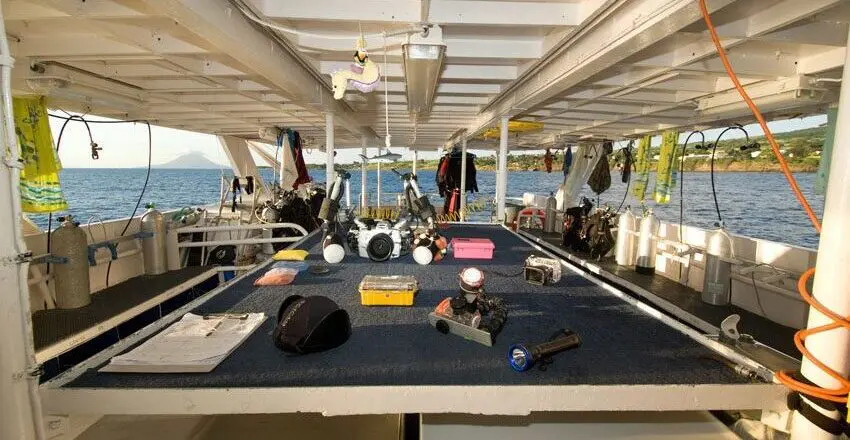
A good camera table quickly becomes one of the busiest places on a liveaboard.
It’s where photographers share best shots, check O-rings, change batteries, adjust strobe arms and prepare their housings before heading back underwater. After a dive, it’s where equipment gets inspected, dried and made ready for the next one.
Space matters when several photographers are sharing the same workstation. A large housing with dual strobes can take up a surprising amount of room, especially when the arms are extended.
The location of the table makes a difference too. A workstation close to the dive deck makes it easier to prepare for the next dive, while nearby shelves or storage boxes help keep smaller accessories organized and out of the way.
For photographers traveling with more than one camera system, having a dedicated workspace also means less time packing everything away between dives.
When a Dedicated Camera Room Makes a Difference
Anyone who has spent a surface interval working on a camera housing in tropical heat will appreciate an air-conditioned camera room. An indoor workspace gives photographers somewhere to prepare equipment away from the activity of the dive deck. There’s room to inspect housings, change lenses, organize accessories and work with delicate equipment without worrying about spray or wet dive gear.
For photographers carrying several lenses, strobes and accessories, the extra space can make a real difference. Dedicated desks, non-slip mats and nearby charging stations also make it easier to keep equipment together throughout the trip.
Not every liveaboard has a separate camera room, nor does every photographer need one. For larger setups or photography-focused trips, however, it’s a feature worth looking for.
Charging, Rinsing and Keeping Equipment Organized
Camera equipment and saltwater are an unavoidable combination, but salt residue and sensitive electronics are not ideal companions.
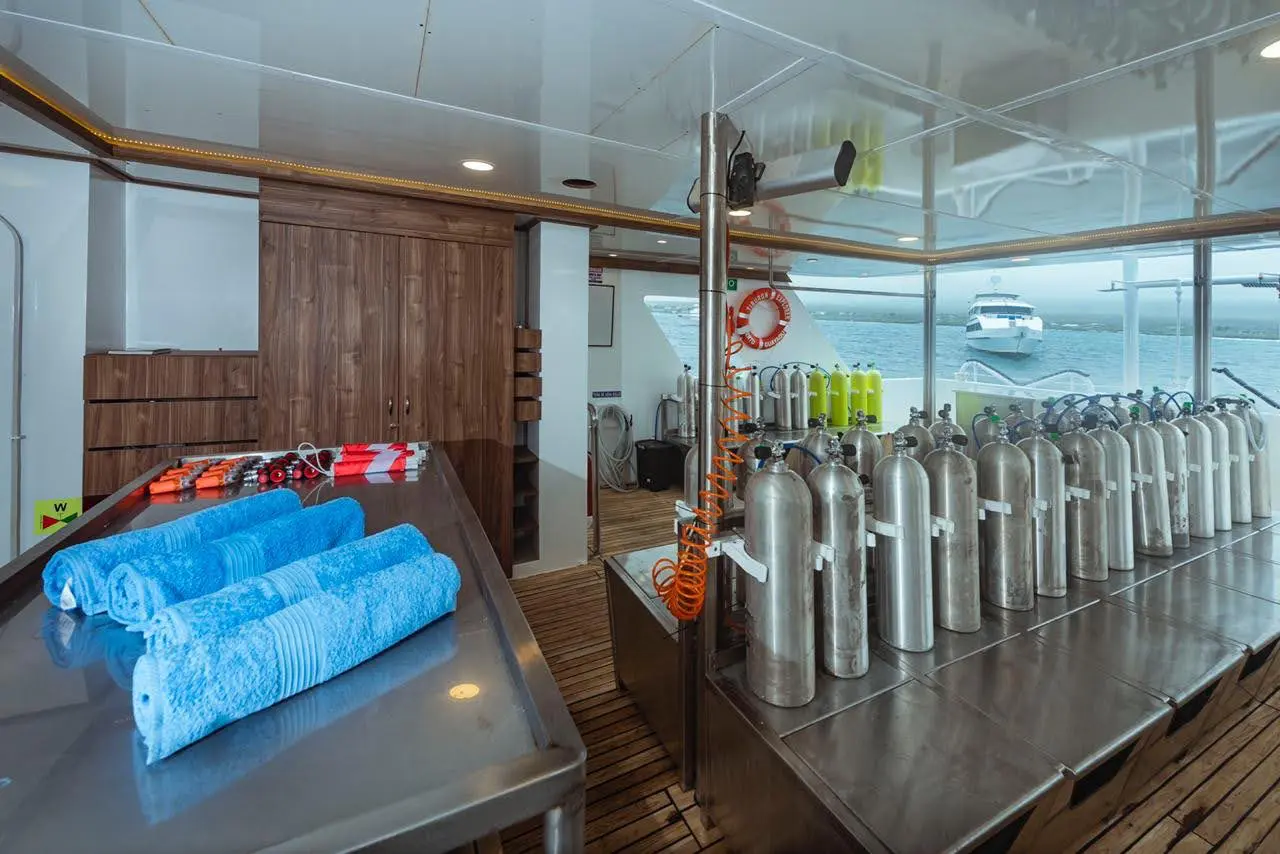
Dedicated freshwater rinse tanks help photographers care for their equipment without mixing expensive housings with masks, fins and other dive gear. Air guns or hoses are also useful for drying equipment before opening housings or changing batteries, provided they’re used carefully and according to the equipment manufacturer’s guidance.
Storage is another detail that’s easy to overlook. A shelf beneath the camera table, a dedicated camera room or a secure equipment box can make the difference between an organized workstation and a collection of accessories scattered across the dive deck.
Charging arrangements are worth checking before departure, especially if you’re traveling internationally with multiple chargers. Some vessels provide both 110V and 220V outlets, while others use international 220V sockets. USB charging points and additional outlets can also be useful for action cameras, lights and smaller accessories.
Important: Battery Charging Aboard
Battery charging should take place in the vessel’s designated charging areas, following crew instructions. Do not leave batteries charging unattended or assume that charging in guest cabins is permitted. Bring the correct adapters and check that your equipment is compatible with the available voltage.
Getting Your Camera into the Water
A carefully prepared camera system still needs to make it safely from the boat into the ocean.
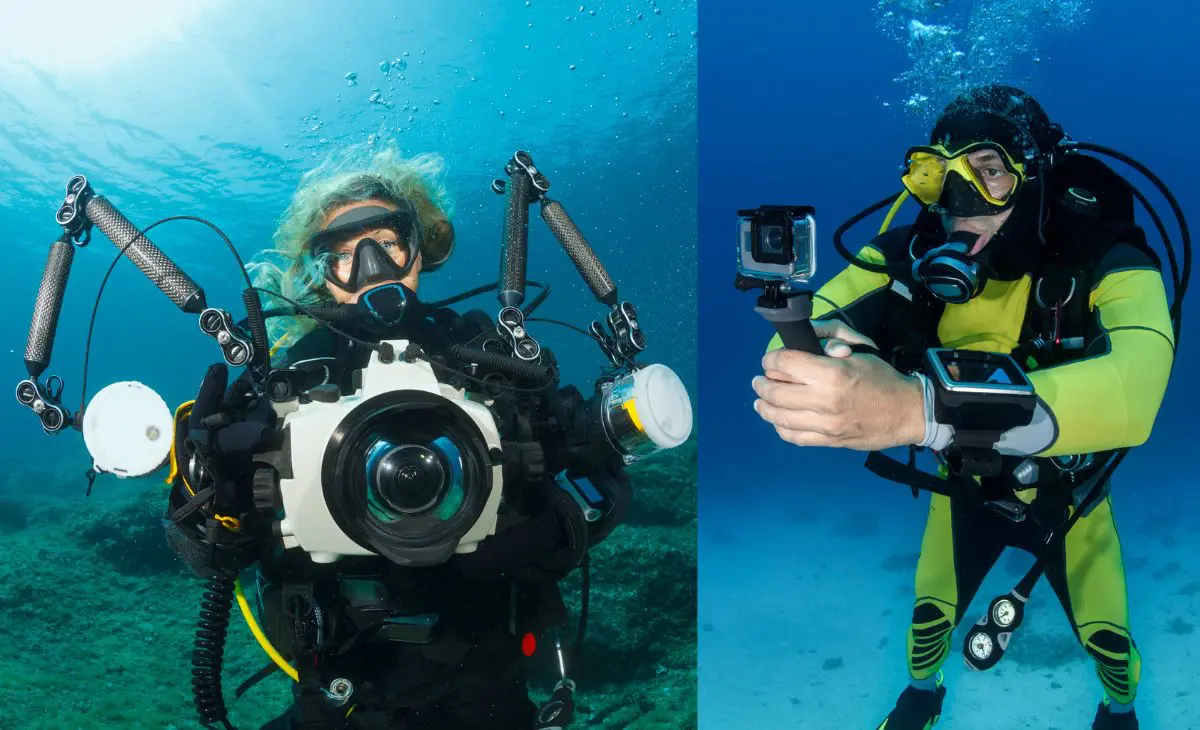
For photographers using large dome ports or extended strobe arms, carrying a camera during a giant-stride entry isn’t always practical. Many liveaboard crews are accustomed to helping guests manage their equipment, whether that means lowering a camera to a diver already in the water or carefully passing a housing from a tender.
Tender diving adds another consideration. Camera systems need to be transported between the main vessel and smaller dive boats, sometimes in changing sea conditions. Protective boxes, designated storage areas and experienced crew can make that process much easier.
It’s worth discussing the handling procedure with the dive crew before your first dive, particularly if you’re traveling with a large or delicate system. Knowing where to place your camera, when to hand it over and how it will be returned makes the whole process more comfortable.
Photographer’s Tip: Give Your Camera a Second Handle
Traveling with a larger underwater camera rig? We recommend attaching a second handle if your housing supports one. Having two secure handholds makes it much easier for the crew to safely pass your camera down to you and receive it back on deck after a dive. It’s a small addition that can make a big difference when handling expensive equipment, especially in choppy conditions.
Dive Schedules and the Time Between Dives
One of the great advantages of liveaboard diving is the opportunity to spend several days exploring a destination, often with multiple dives each day. For underwater photographers, that means more chances to encounter marine life, experiment with settings and return to the water with a different approach.
It also means a fair amount of work between dives. A surface interval can disappear quickly when you’re rinsing equipment, downloading images, changing batteries and preparing for the next descent. Photographers who regularly switch between macro and wide-angle setups may need additional preparation time, especially when changing ports or lenses requires opening a housing.
Dive schedules vary by destination and itinerary. Some trips offer up to four or five dives daily, while others operate around longer excursions, tender transfers, marine park regulations or specific wildlife encounters.
More dives can mean more photographic opportunities, but it’s worth considering how much preparation your particular setup requires. A little organization between dives goes a long way.
Photographer’s Tip: Bring Spare Batteries
With several dives scheduled each day, there’s not always enough time to fully recharge your camera or strobe batteries between dives. Bring at least one spare set so you can rotate them throughout the day. That way, you’ll have a charged set ready for your next dive while the others recharge in the designated charging area. Never leave batteries charging unattended.
Comparison Table: Photography Facilities Across the Fleet
Every Explorer Ventures liveaboard offers a different combination of camera facilities, workspaces and diving arrangements. This comparison provides a quick look at where photographers can prepare and charge their equipment before exploring the destinations in more detail.
| Vessel | Camera workspace | Charging |
| Blue Manta Explorer | Dedicated air-conditioned camera room; additional outdoor and tender workstations | 220V international and USB sockets |
| White Manta Explorer | Dedicated air-conditioned camera room; additional outdoor and tender workstations | 220V international and USB sockets |
| Humboldt Explorer | Dive-deck camera table, 2 m × 62 cm | 12 × 110V and 3 × 220V outlets |
| Tiburon Explorer | Dive-deck camera table, 173 × 83 cm | 15 × 110V and 15 × 220V outlets |
| Caribbean Explorer II | Dedicated 5′ × 8′ camera table | 21 × 110V outlets and 12 USB points |
| Turks & Caicos Explorer II | Dedicated 10′ × 4′ camera table | Four double outlets, power bar and additional charging |
| Black Pearl Explorer | Three dedicated camera spaces; additional lounge tables | Universal 220V sockets |
| Emperor Explorer II | Camera table aboard dive dhoni | International 220V sockets in main salon |
| Glory Sea Explorer | Dedicated salon camera table | Approximately 30 × 220V outlets |
| Grand Sea Explorer | Dedicated dive-deck camera table | Approximately 30 × 220V outlets |
Camera rinse facilities are available across the fleet, with dedicated camera storage or equipment areas varying by vessel. The individual vessel sections below provide more detail on camera handling, workspaces and what photographers can expect underwater.
Choosing a Destination for the Photography You Love
The facilities aboard a liveaboard are only part of the decision. What you’re hoping to photograph matters just as much.
Indonesia: Macro, Mantas and Almost Everything Between
Indonesia is one of those destinations where choosing a lens can be half the challenge.
In Raja Ampat, colorful reefs, wobbegong sharks and extraordinary marine biodiversity offer plenty of variety. The Banda Sea brings opportunities for schooling hammerheads, while Komodo and Misool are known for manta encounters. Triton Bay, Halmahera and other regions add endemic species and fascinating macro subjects.
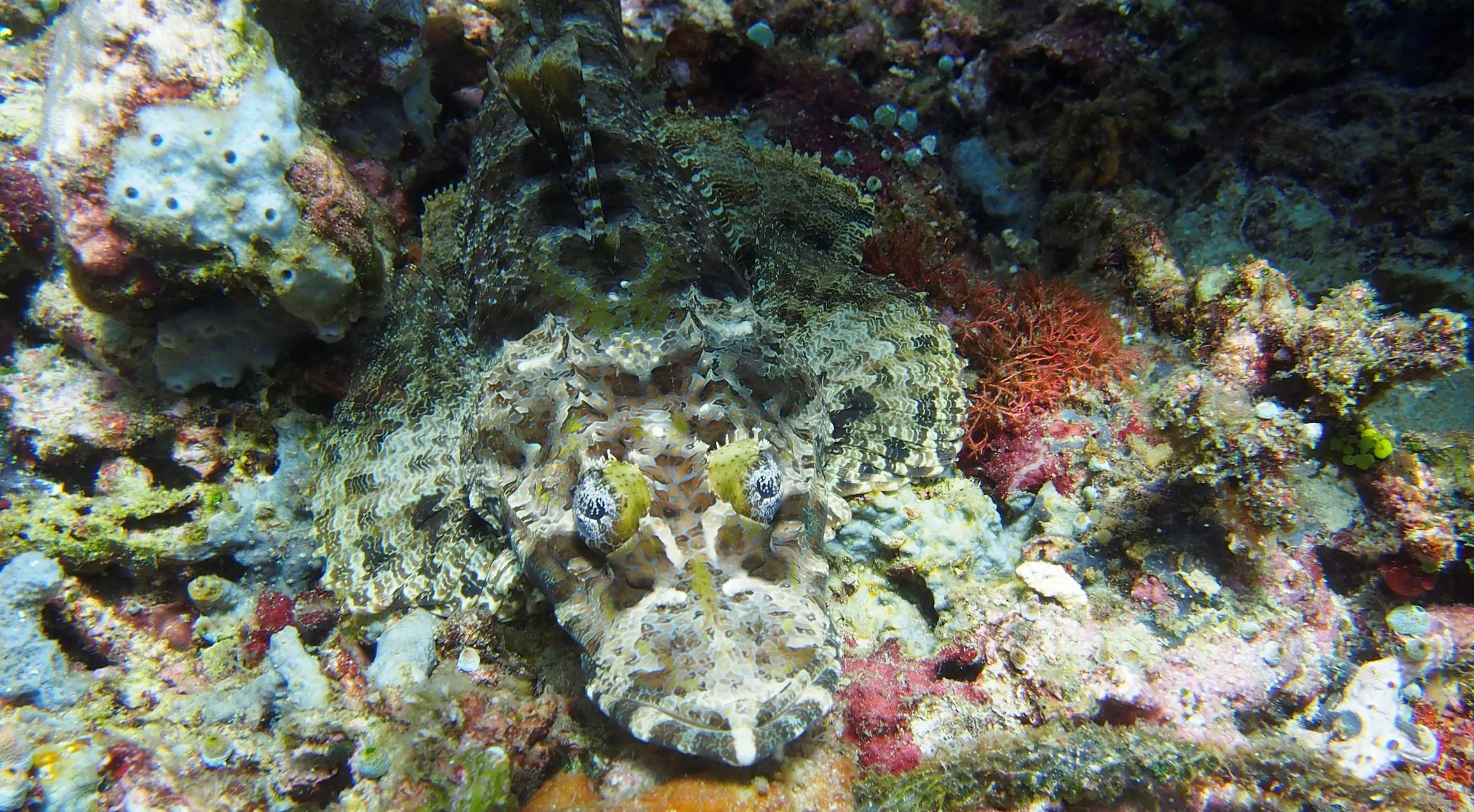
For photographers traveling with larger camera systems, Blue Manta Explorer and White Manta Explorer have some of the most extensive photography facilities in the fleet. Both feature dedicated, air-conditioned camera rooms, with towels, tools and 220V charging facilities.
Additional camera tables are available on the dive decks, platforms and tenders, with separate rinse facilities, air guns and crew assistance for transporting equipment. Camera systems can be stored in the dedicated camera rooms between dives, keeping equipment organized and close at hand.
That extra workspace is particularly welcome on itineraries where photographers may be switching between macro and wide-angle setups throughout the trip.
Galápagos: Big Animals and Available-Light Photography
The Galápagos is a destination where photographers often spend their dives watching the blue.
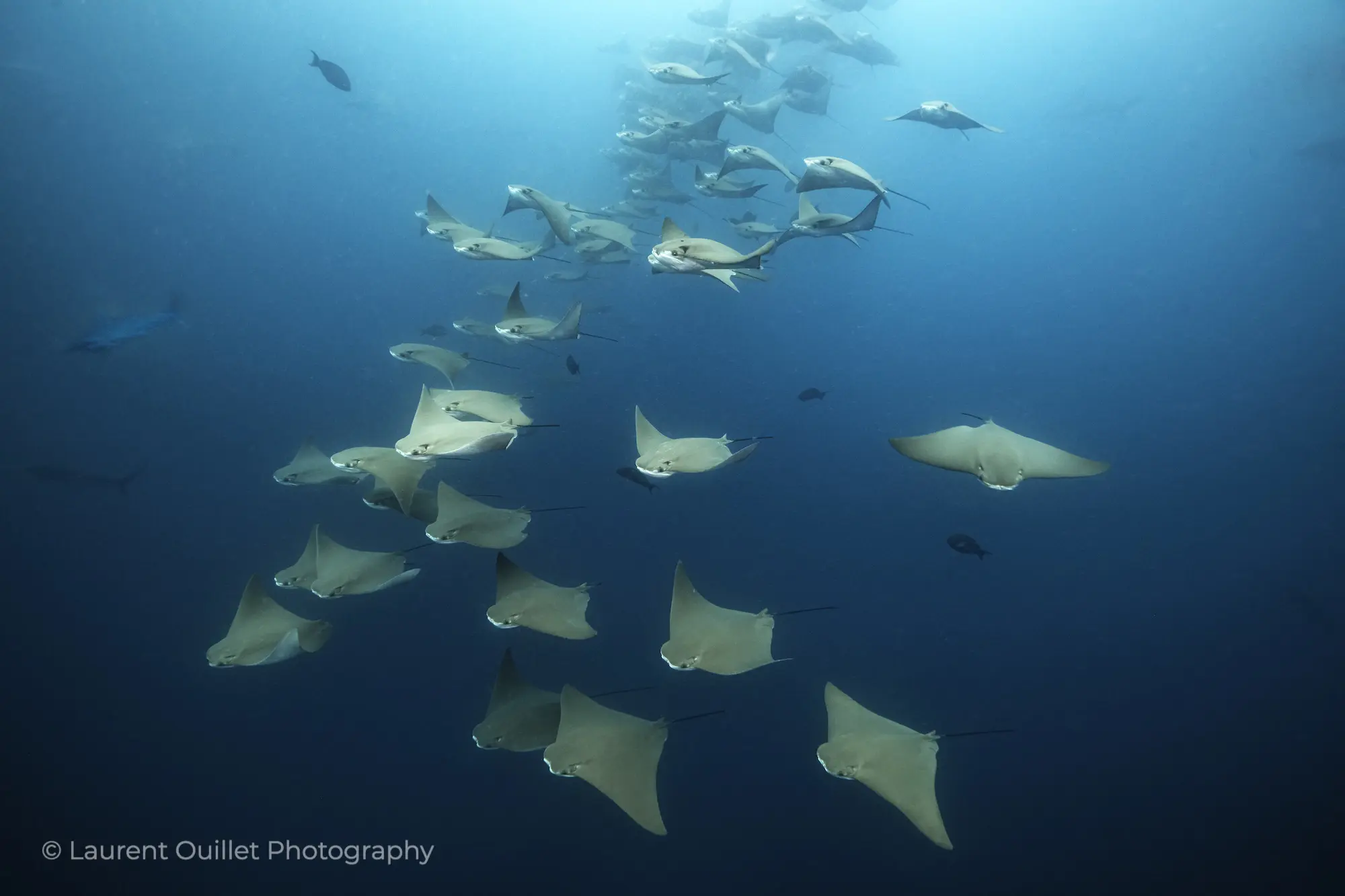
Schooling hammerheads, Galápagos sharks, rays and seasonal whale sharks are among the extraordinary encounters possible around Darwin and Wolf.
Humboldt Explorer’s eight day itineraries include four full days diving Darwin and Wolf, while Tiburon Explorer’s combines three days at Darwin and Wolf waters with Western Isabela, where marine iguanas, Galápagos penguins, flightless cormorants and ocean sunfish may be encountered.
Both vessels have dedicated camera tables on their dive decks, charging stations, separate camera rinse bins, air guns and storage shelves beneath the workstations. Humboldt Explorer’s table measures 2 meters by 62 centimeters, with 12 110V and three 220V outlets. Tiburon Explorer provides a 173-by-83-centimeter table with 15 outlets at each voltage.
Diving takes place from two large pangas on each vessel, with camera equipment transported between the main yacht and the dive sites.
There is one particularly important consideration: underwater flash photography is prohibited in the Galápagos, and professional camera equipment may require special permits. Photographers should be comfortable working with available light and verify current National Park requirements before traveling.
“The diving itself was absolutely epic—schools of hammerheads, whale sharks, playful sea lions, marine iguanas, turtles, and so much more. The Galapagos underwater world is unreal, and this boat gets you to the best spots flawlessly. Everything from the large dive deck with camera tables and charging stations to the pangas for easy entries made the experience seamless.” – Patrica M, February 2026, Tiburon Explorer
Caribbean: Walls, Wrecks and Smaller Discoveries
The Caribbean offers a different pace and a wonderful range of photographic subjects.
Saba’s volcanic pinnacles, dramatic walls and reef structure are well suited to wide-angle photography, with turtles, rays and Caribbean reef sharks among the potential subjects. St. Kitts brings wrecks and smaller marine life, including sought-after subjects such as frogfish and seahorses.
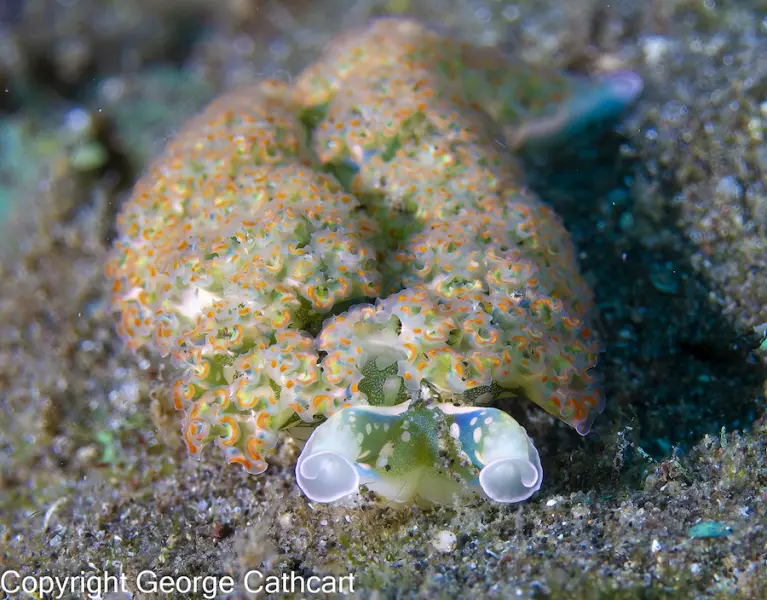
Aboard Caribbean Explorer II, photographers can experience both islands during a single itinerary. The vessel has a large 5-by-8-foot camera table on the main deck, 21 110V outlets, 12 USB charging points, two dedicated freshwater camera rinse tubs and two air guns. Plastic storage boxes help keep equipment organized, while a dedicated camera line allows larger systems to be lowered to divers already in the water.
Turks & Caicos is particularly appealing for dramatic walls, Caribbean reef sharks, turtles and rays. Macro photographers can look for pipehorses, pipefish, blennies and other small reef inhabitants.
Turks & Caicos Explorer II has a 10-by-4-foot camera table at the back of the dive deck, four double charging outlets with a power bar, additional charging areas around the vessel and USB ports in the cabins. A dedicated camera rinse tank, two air guns and shelving beneath the camera table provide space for equipment care and storage.
Both Caribbean vessels offer frequent diving, dedicated camera facilities and opportunities to photograph the changing light above water, from Saba’s dramatic island scenery to colorful Caribbean sunsets.
Palau: Sharks, Mantas and Dramatic Reef Scenery
Palau has long been a favorite among underwater photographers, particularly those drawn to wide-angle scenes.
Black Pearl Explorer visits a region known for reef sharks, manta rays, schooling fish, walls, caves and historic WWII wrecks. Seasonal spawning events can add another extraordinary photographic opportunity.

The vessel has a small dedicated camera table on the main deck with three workspaces. Additional tables in the indoor lounge can provide more room for equipment preparation, while a charging station with universal 220V sockets, dedicated camera rinse facilities and air guns supports camera care between dives.
Diving takes place from two shaded aluminum tenders. Plastic boxes are available for transporting cameras between the main vessel and the tenders, with crew assistance for handling larger setups.
For photographers traveling with substantial equipment, the limited dedicated table space is worth considering in advance. The additional lounge workspaces offer some flexibility, particularly when several photographers are aboard.
Maldives: Mantas, Sharks and Blue-Water Encounters
The Maldives is another destination where a wide-angle lens can see plenty of use.
Depending on the itinerary and season, photographers may encounter manta rays, reef sharks, large schools of fish and dramatic channel diving.
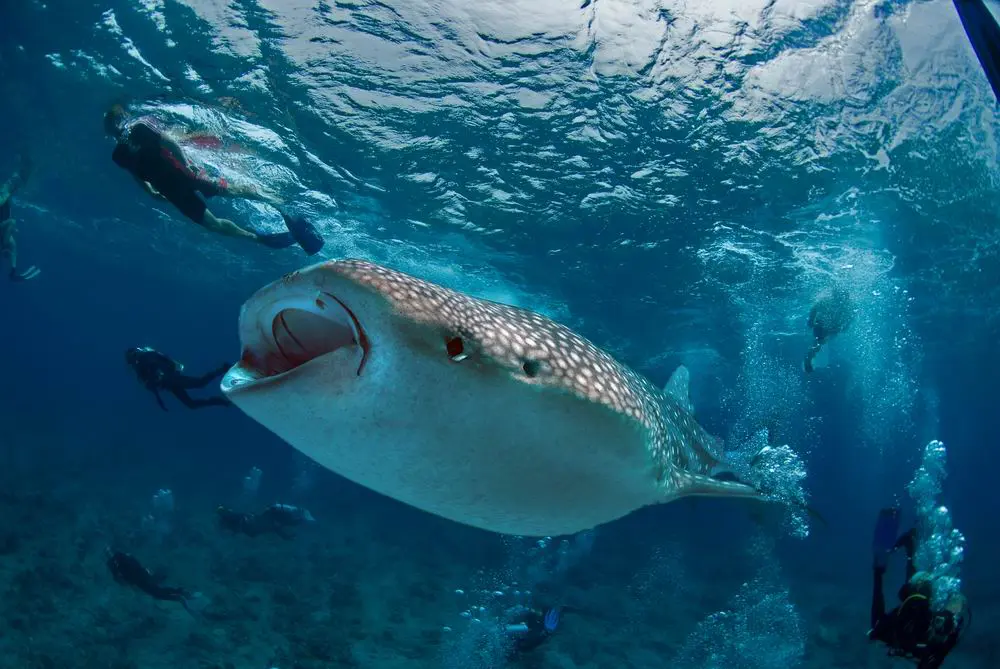
Aboard Emperor Explorer II, dive operations take place from a separate 24-meter dhoni equipped with its own dedicated camera table and freshwater camera rinse tank. The main vessel has a camera charging area in the salon, with multiple international 220V sockets and additional charging facilities available when needed. Air hoses are also available aboard the main vessel for drying camera equipment.
The dhoni crew is experienced in carefully passing larger camera systems to and from divers, an important detail when working with wide-angle domes and extended strobe arms.
Having a separate dive vessel keeps much of the daily diving activity away from the main yacht, while providing photographers with a dedicated space to prepare and handle equipment throughout the trip.
The Emperor Explorer was a great liveaboard ship. It was extremely spacious and comfortable. The service was 5 Star as was the Dive personnel and ship crew. Even though we traveled over 21,000 miles round trip to visit the Maldives, if was very well worth it. We all would definitely recommend anyone to come and visit this wonderful place. The Underwater Photography was some of the best I have ever seen. This ship and crew deserves at least 10 STARS!!! – C Foreman, May 2024
Red Sea: Wrecks, Reefs and Wide-Angle Opportunities
The Red Sea gives photographers plenty of reasons to bring more than one lens.
Northern itineraries are especially appealing for wreck photography and smaller reef subjects. Routes visiting Brothers, Daedalus, Elphinstone, Zabargad and Rocky Island offer opportunities for sharks, offshore pinnacles and dramatic wide-angle scenes. St. Johns and Fury Shoals add colorful reefs, caves and macro life.
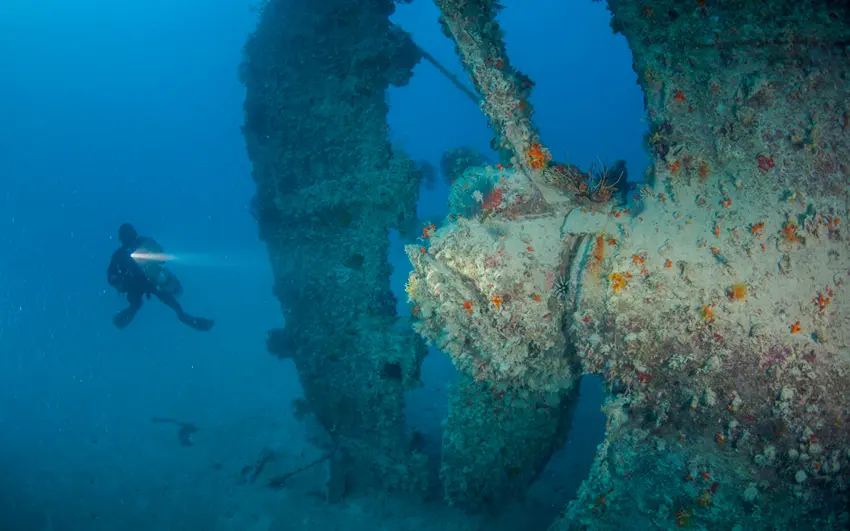
Glory Sea Explorer has a dedicated camera table in the salon, while Grand Sea Explorer provides its camera table on the dive deck. Both vessels have approximately 30 220V charging outlets on their dive decks, dedicated camera rinse tanks, air guns or hoses and shelving on the dive platforms.
Diving is supported by professional guides, with tender operations available for reaching dive sites along the different itineraries.
For photographers who enjoy combining historic wrecks, colorful reef scenes and larger marine life, the Red Sea offers considerable variety, with the available subjects changing according to the route.
Bringing a Drone on Your Liveaboard?
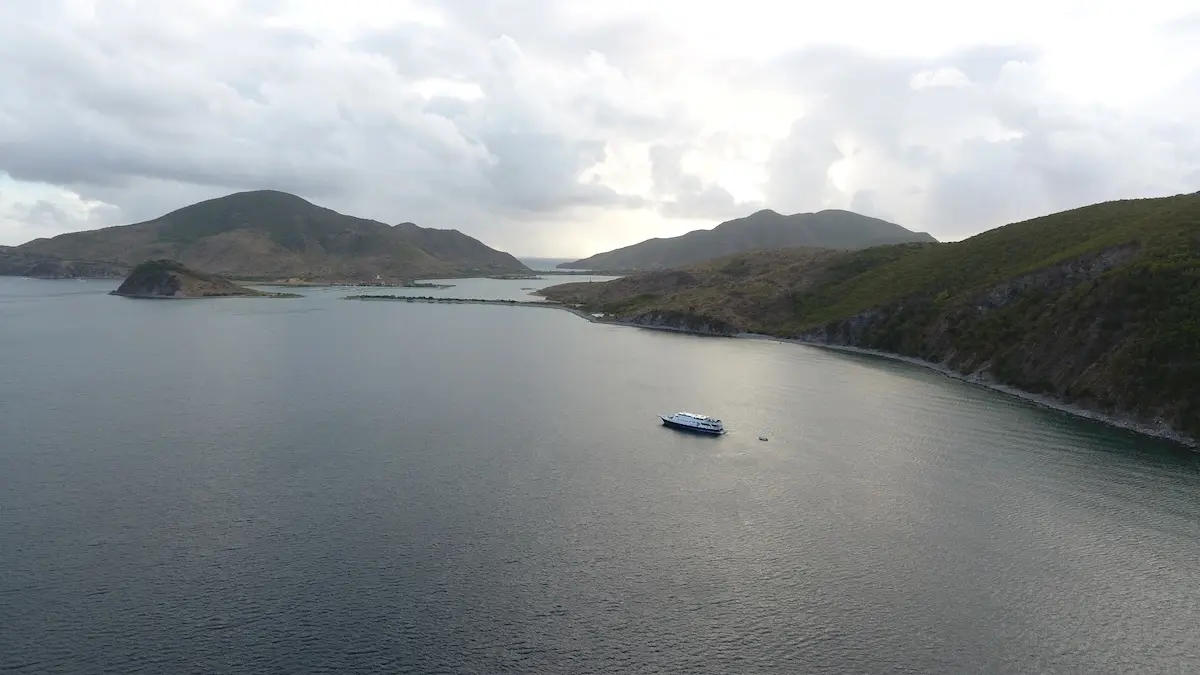
Aerial photography can add another perspective to a dive trip, particularly when traveling through remote islands, coral reefs and dramatic coastal landscapes. However, drone regulations vary considerably between destinations. Some countries require registration, permits or special authorization, while others prohibit recreational drone use entirely.
A few important examples:
- Galápagos: Drones are not permitted for recreational use.
- Red Sea (Egypt): Guests must not bring or operate drones; equipment may be confiscated.
- Palau: Drone operators must register and obtain authorization in advance.
- Maldives: Government permits and local permissions are required.
- Indonesia: Drone operations are subject to national aviation regulations and local restrictions.
- Caribbean: Rules differ between Saba, St. Kitts, Sint Maarten and Turks & Caicos, with additional requirements possible for protected areas and special charters.
Even where drone use is legally permitted, launching or recovering one from a moving vessel presents its own challenges.
Before packing a drone
Check the latest aviation, customs and protected-area regulations, along with airline battery restrictions and your vessel’s onboard policy. Permission to bring a drone into a country does not automatically mean permission to fly it.
Regulations and permit requirements can change without notice. Drone operators are responsible for confirming and following the rules applicable to their destination and itinerary.
A Few Things Worth Checking Before You Pack
Photographers often spend considerable time researching dive sites and marine life, but a quick conversation about onboard facilities can be just as useful.
If you’re bringing a larger system, ask about the available camera workspace, charging voltage, outlet types and storage. Find out whether you’ll be working on the dive deck, in an indoor camera room or aboard a separate dive tender.
It’s also worth thinking about how many dives you’ll be doing each day. Multiple daily dives are one of the great advantages of liveaboard diving, but they leave less time for downloading photographs, charging batteries and changing camera setups.
And bring the small things that are difficult to replace at sea: spare O-rings, memory cards, charging cables, adapters and essential camera parts. Once the vessel leaves port, there’s no camera shop nearby.
Finding the Right Liveaboard for Your Photography
There’s no single perfect liveaboard for every underwater photographer. Someone traveling with a compact camera may be perfectly happy with a small ercamera table and charging station. A photographer carrying two housings, multiple strobes and a collection of lenses may put a dedicated camera room near the top of their wish list. The destination is highly important, of course. So is the space and support available to work with your equipment throughout the trip.
Across Explorer Ventures Fleet, the onboard arrangements vary, from Indonesia’s spacious indoor camera rooms to the well-equipped dive decks of the Caribbean, Galápagos and Red Sea vessels.
If you have questions about a particular camera setup, our Reservations Team can help you review the facilities aboard your preferred vessel before you book.
