
 Expertise Since 1987
 Rated Excellent
 FLEXIBLE PRICING
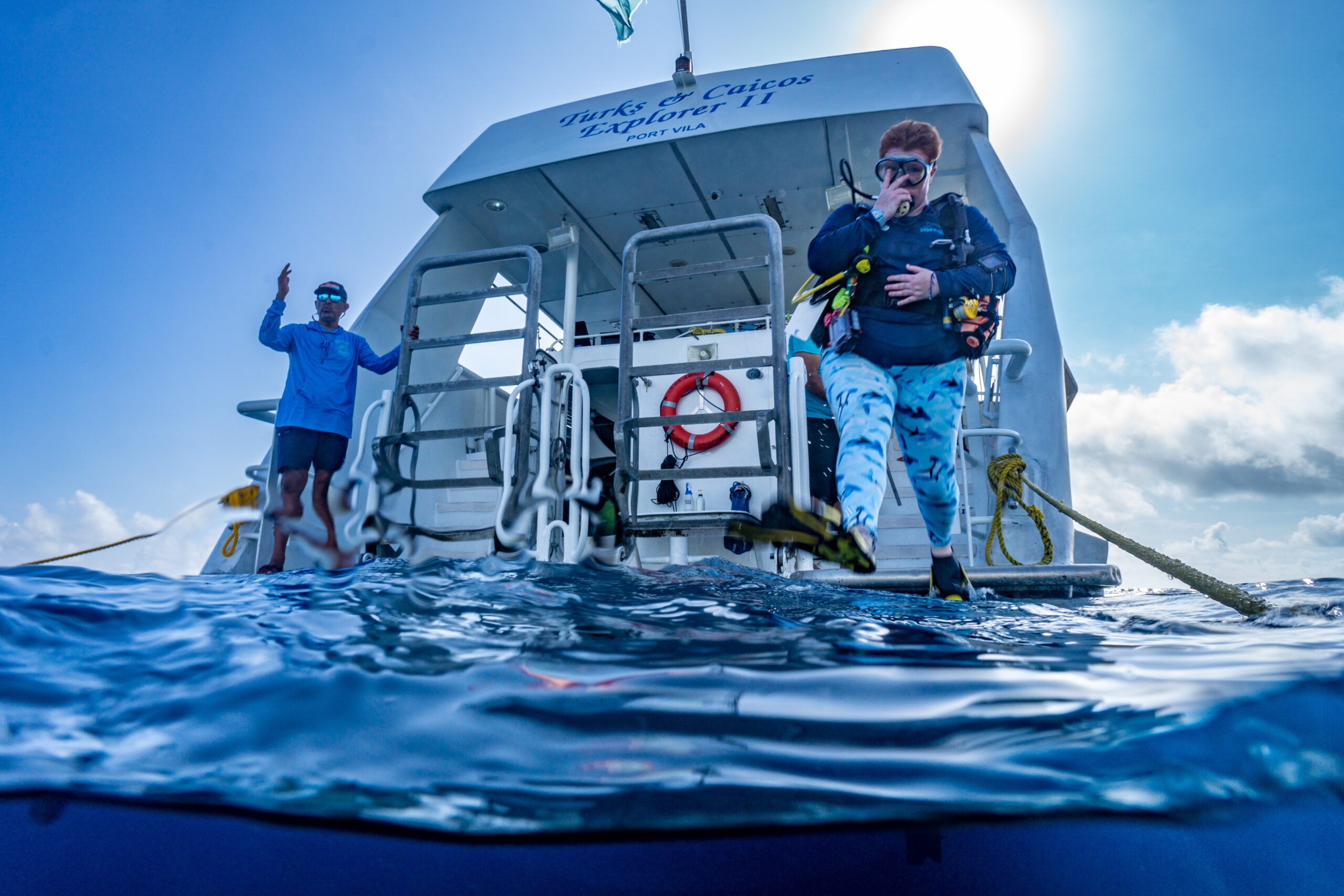
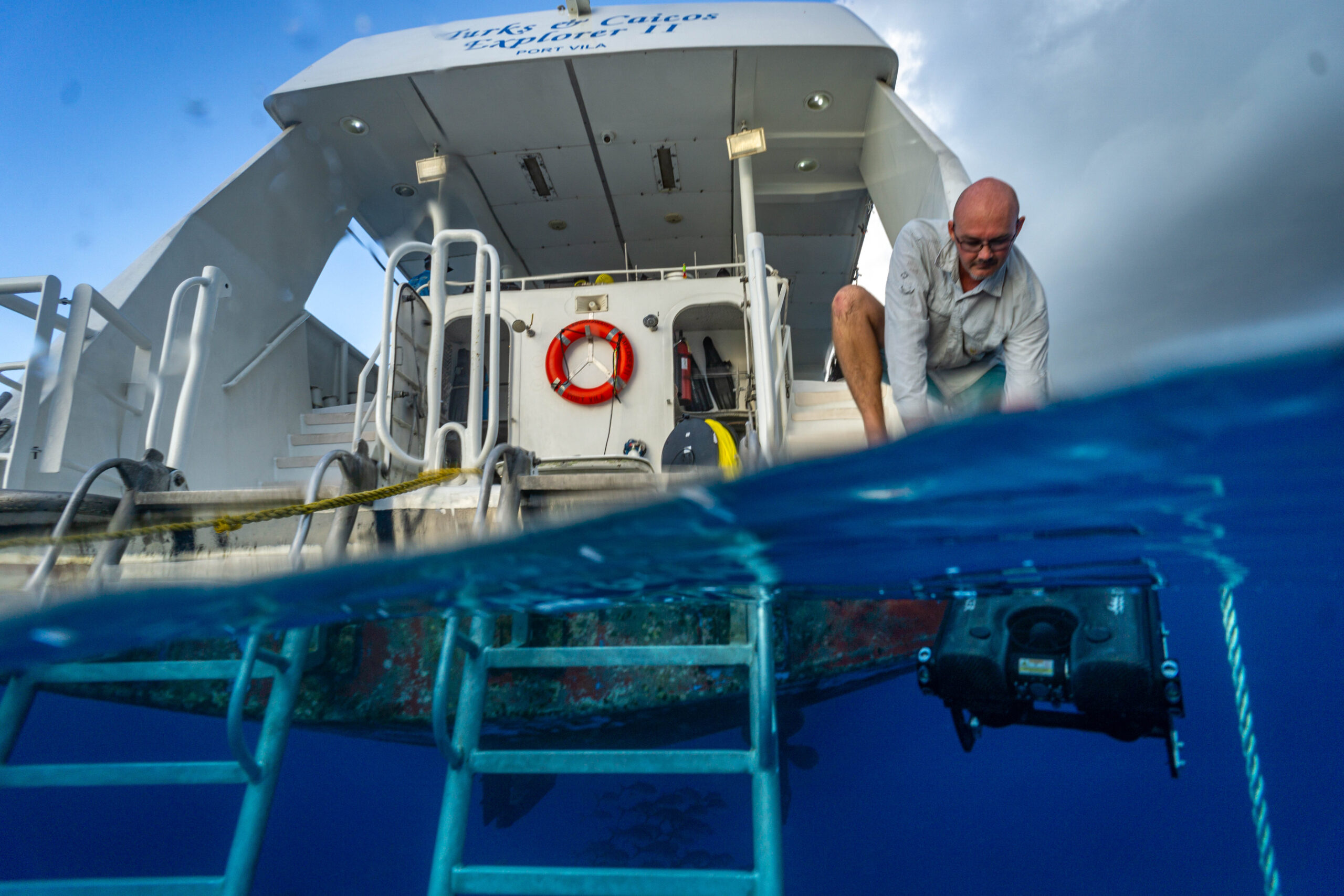
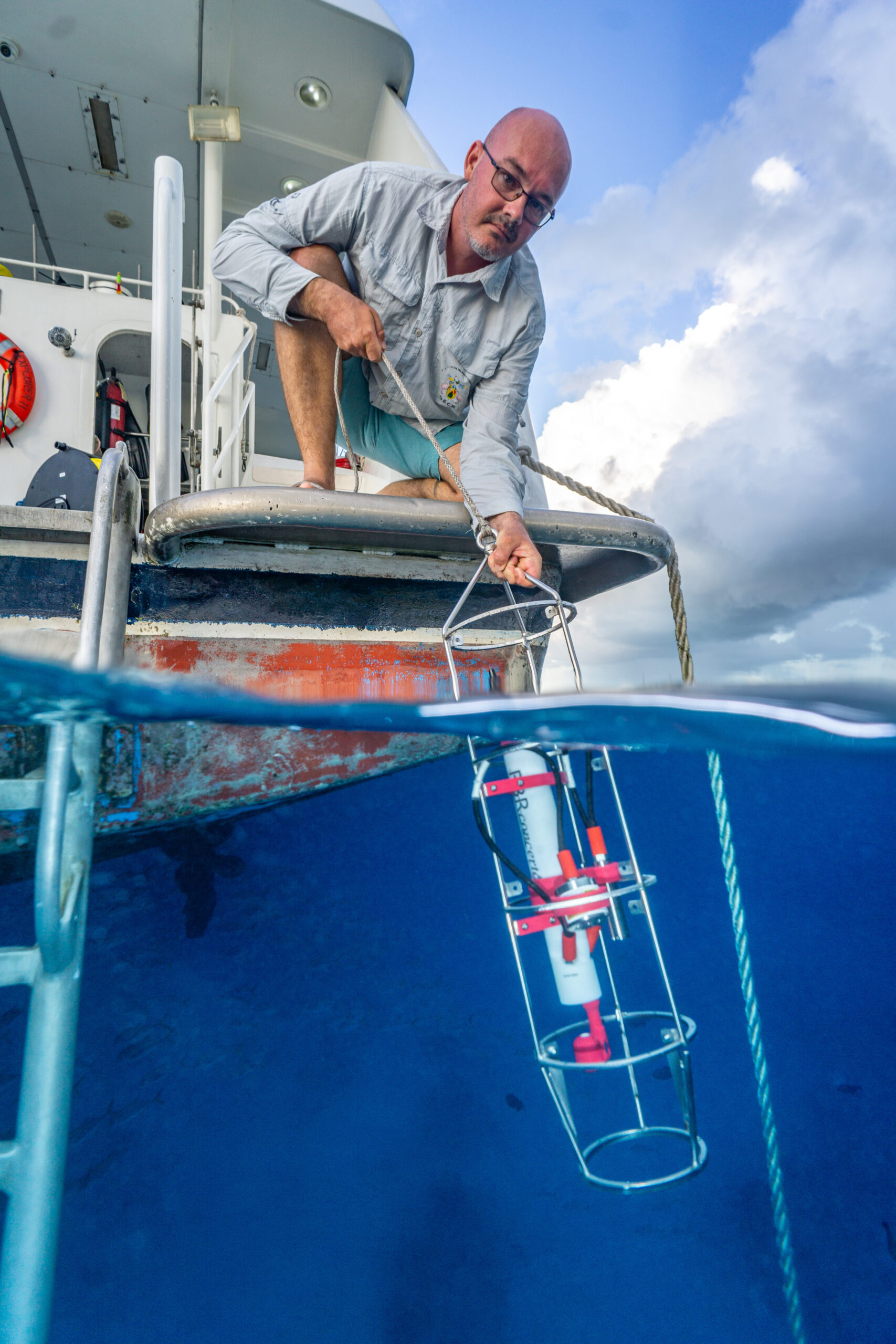
For most divers, a week aboard a liveaboard is about exploring somewhere extraordinary. For most divers, a liveaboard quickly becomes a home away from home-the place where unforgettable days underwater begin and where stories are shared around the dinner table each evening. But for one week each summer, the Turks & Caicos Explorer II becomes something a little different – a floating research station of marine biologists and citizen scientists working together to better understand and protect the coral reefs.
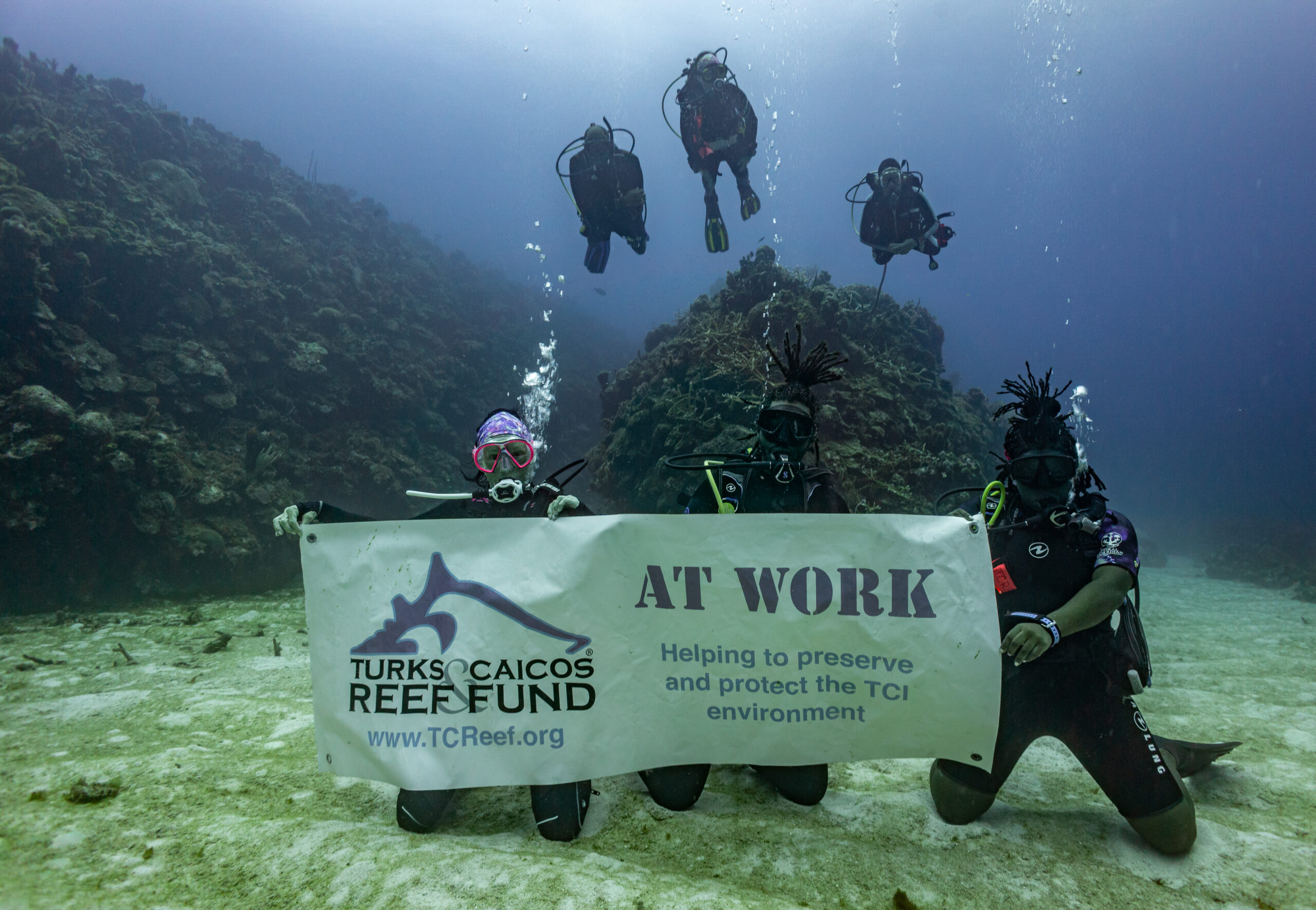
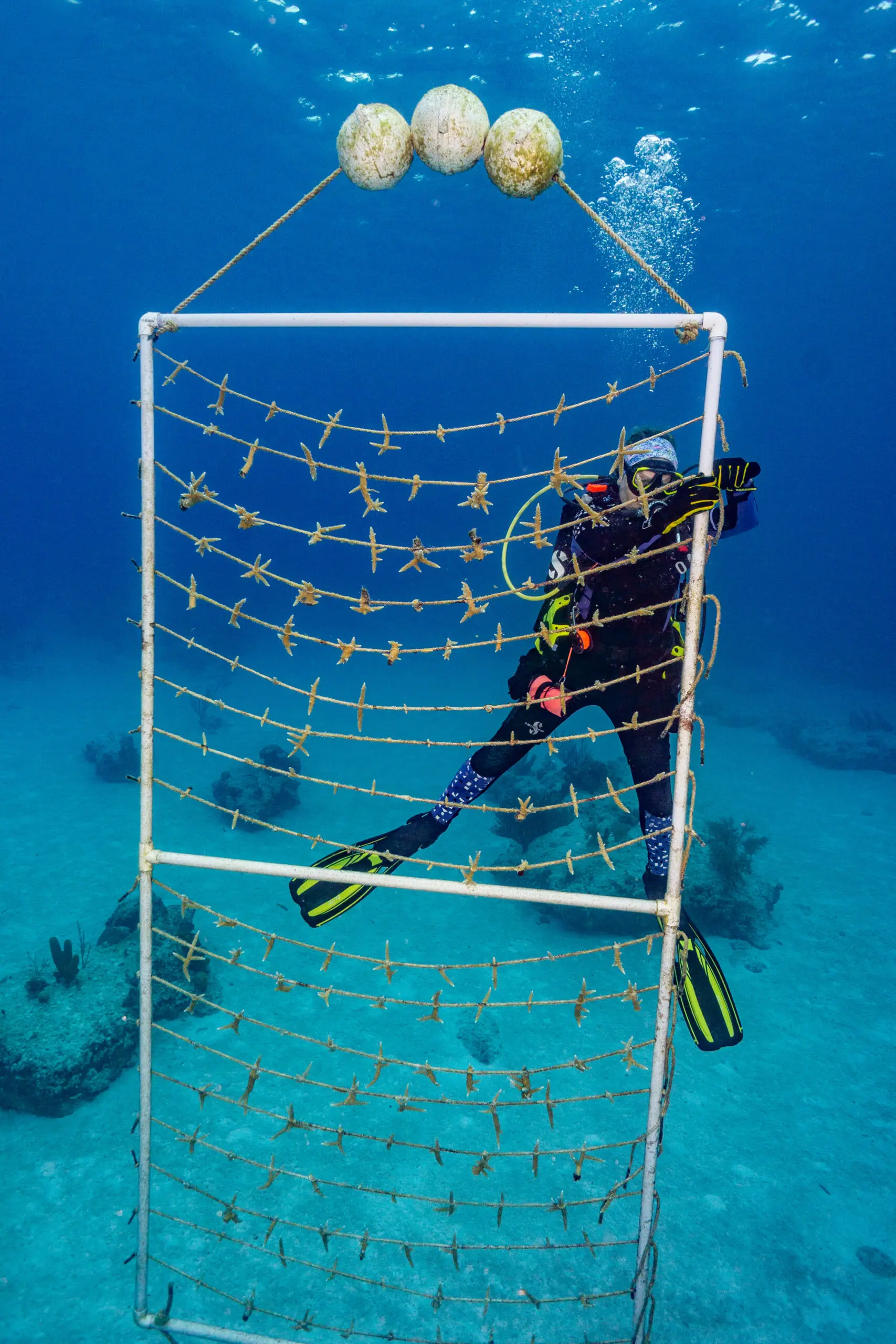
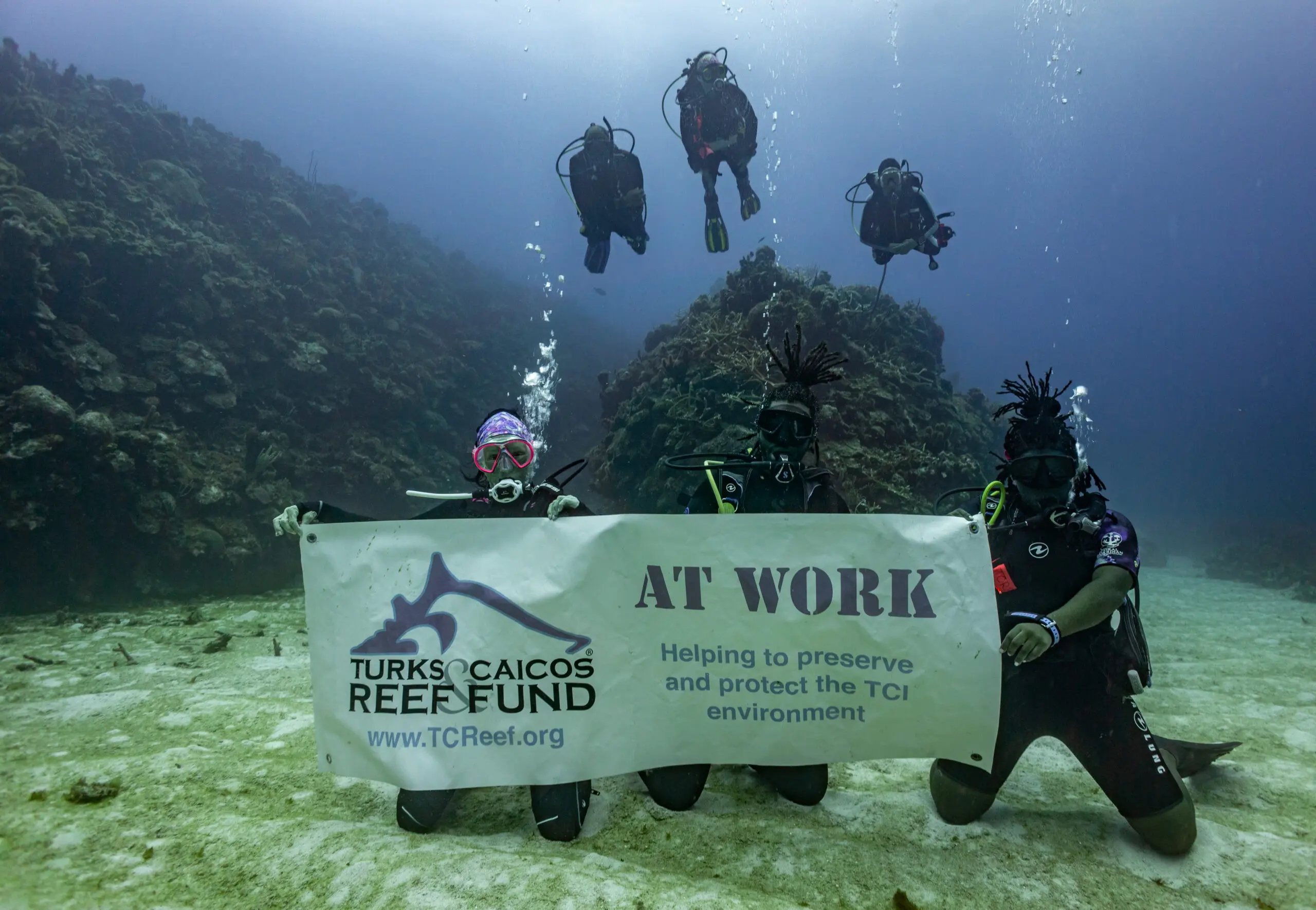
This year’s RumPowered Research® expedition, led by the Turks & Caicos Reef Fund, brought together scientists, conservationists, photographers, government partners, citizen scientists, and the Turks & Caicos Explorer II crew for another week of collaborative reef research around the remote reefs of East Caicos.
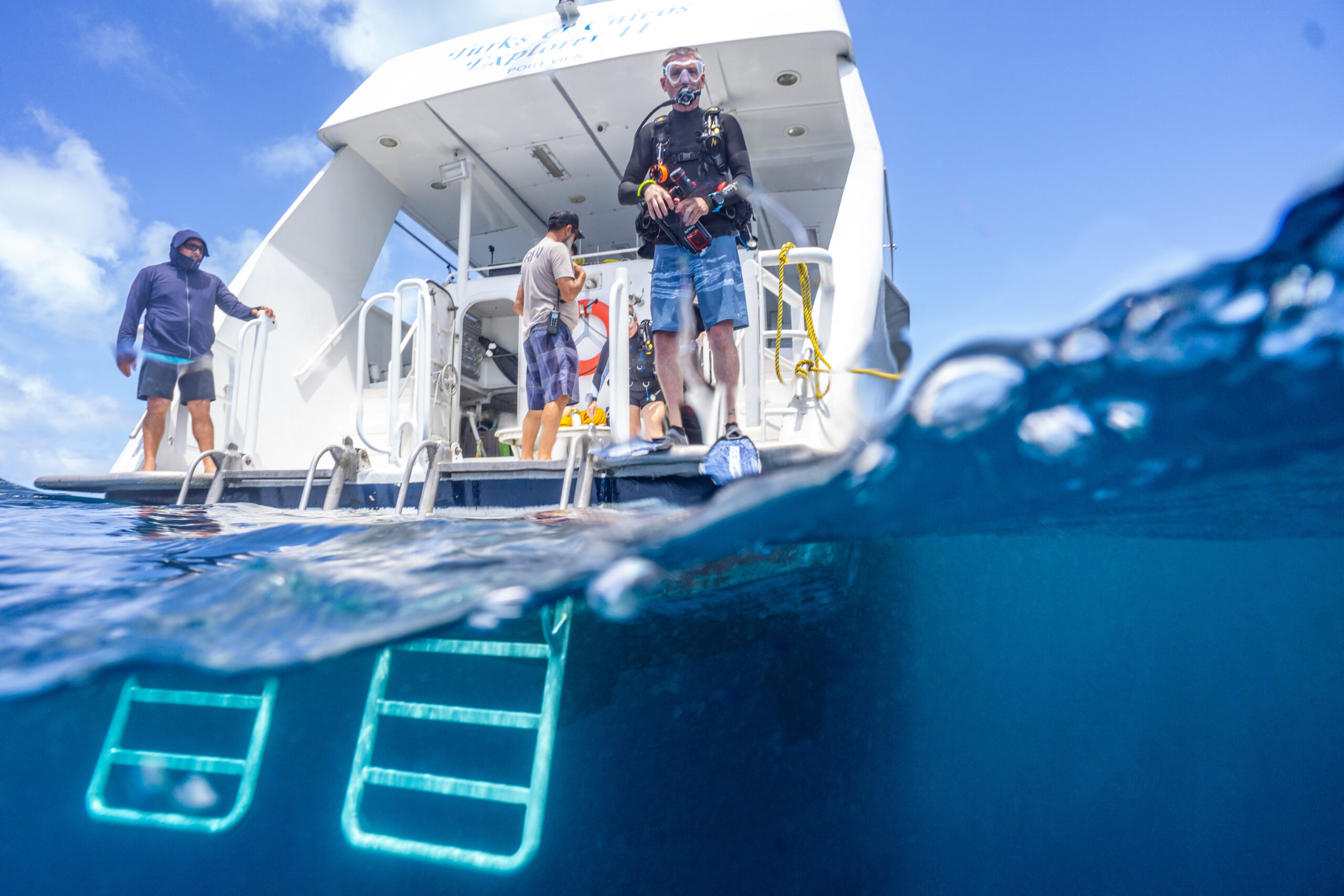
Explorer Ventures Fleet has proudly supported the project since its beginning providing the platform that provides researchers access to one of the Caribbean’s most isolated reef systems. While guests spend much of the year exploring the incredible waters of the Turks & Caicos, this annual expedition goes even further to East Caicos Island, with everyone on board working to protect these waters for the future.
East Caicos is the largest uninhabited island in the Turks & Caicos Islands, surrounded by one of the Caribbean’s most remote reef systems. As these reefs have experienced relatively little human impact, they provide an exceptional opportunity to study coral ecosystems and monitor how they change over time. For researchers, it’s a rare natural laboratory. For Explorer Ventures, it’s another reminder of why protecting these places truly matters.
If you’ve followed the Turks & Caicos Reef Fund or this iniaitive over the years, you’ll know the project started with an worthy goal: better understand the health of reefs surrounding East Caicos and monitor how they change over time. Since then, the program has continued to grow bringing together new partners, new technology, and an expanding community of people passionate about marine conservation.
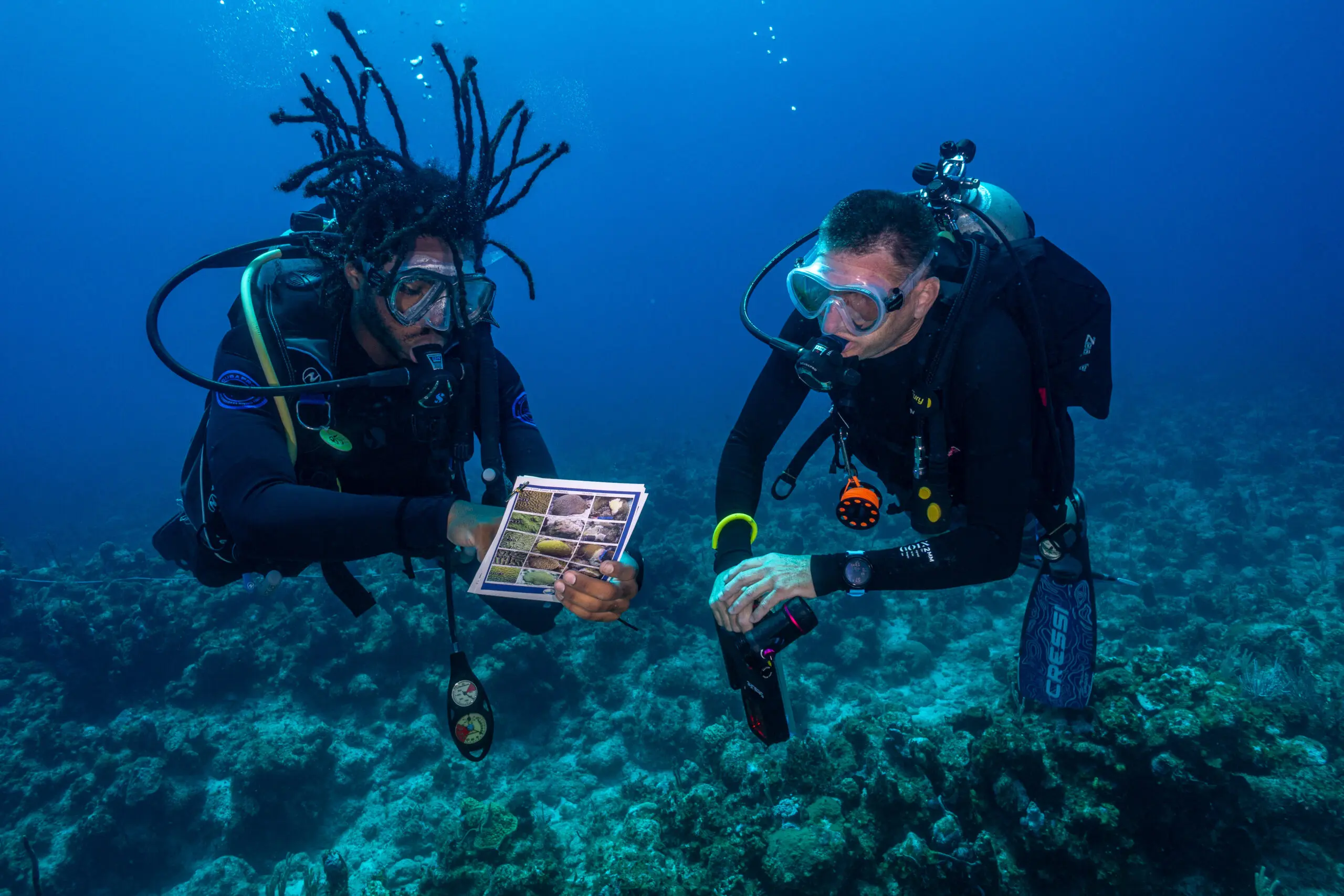
This year’s expedition was one of the most collaborative yet. Early training sessions gave volunteers and citizen scientists a shared foundation before the team headed into the field, creating an environment where experienced researchers and first-time participant divers worked side by side collecting meaningful scientific data.
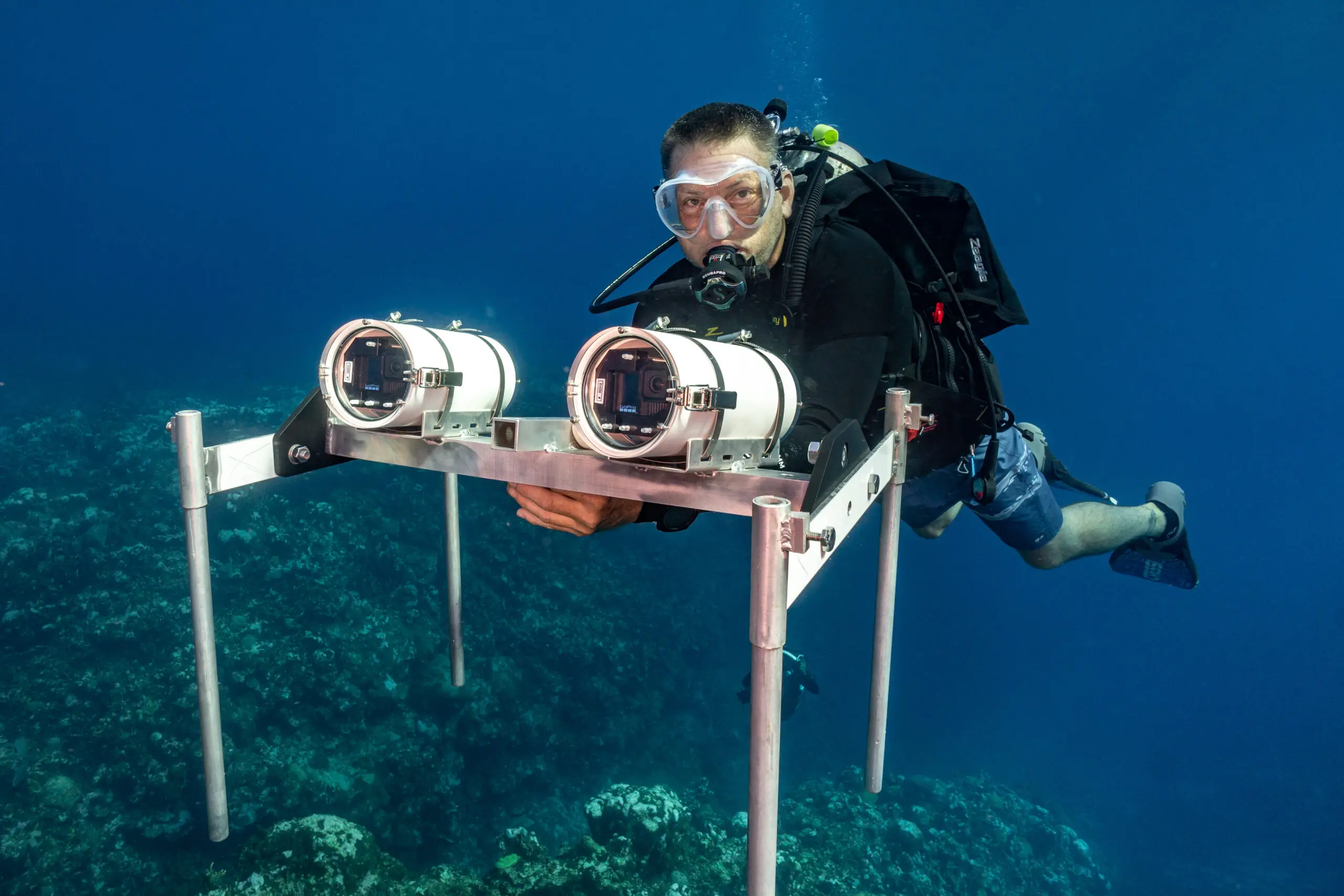
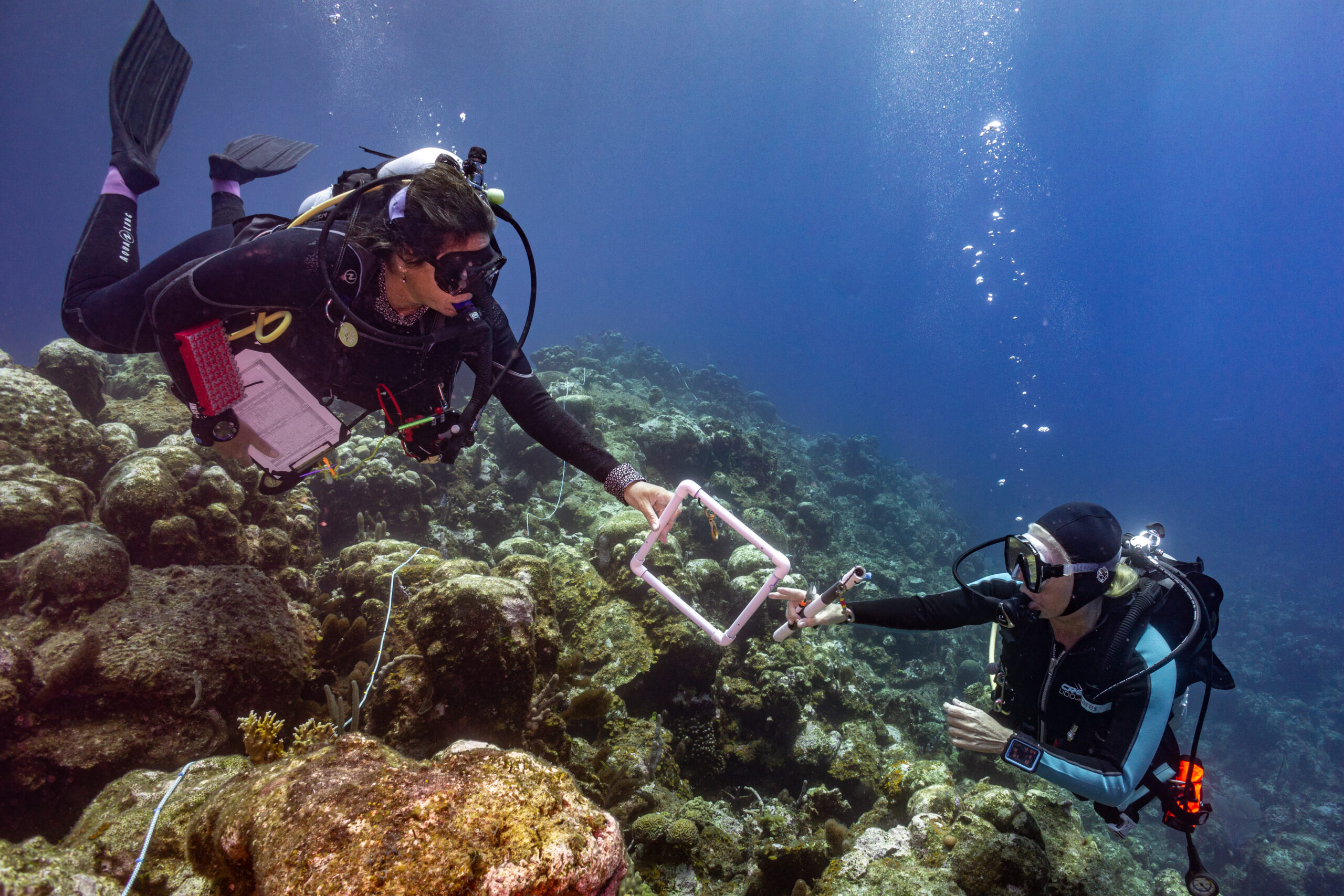
A key focus of this year’s expedition was revisiting the permanent photogrammetry plots established during previous expeditions.
What are permanent photogrammetry plots?
Permanent photogrammetry plots are fixed sections of reef that researchers photograph in high detail year after year. By turning thousands of overlapping images into precise 3D models, researchers can measure changes in coral cover, reef structure, and individual coral colonies over time without disturbing the reef. These long-term records help reveal trends that would otherwise be impossible to see during a single expedition.
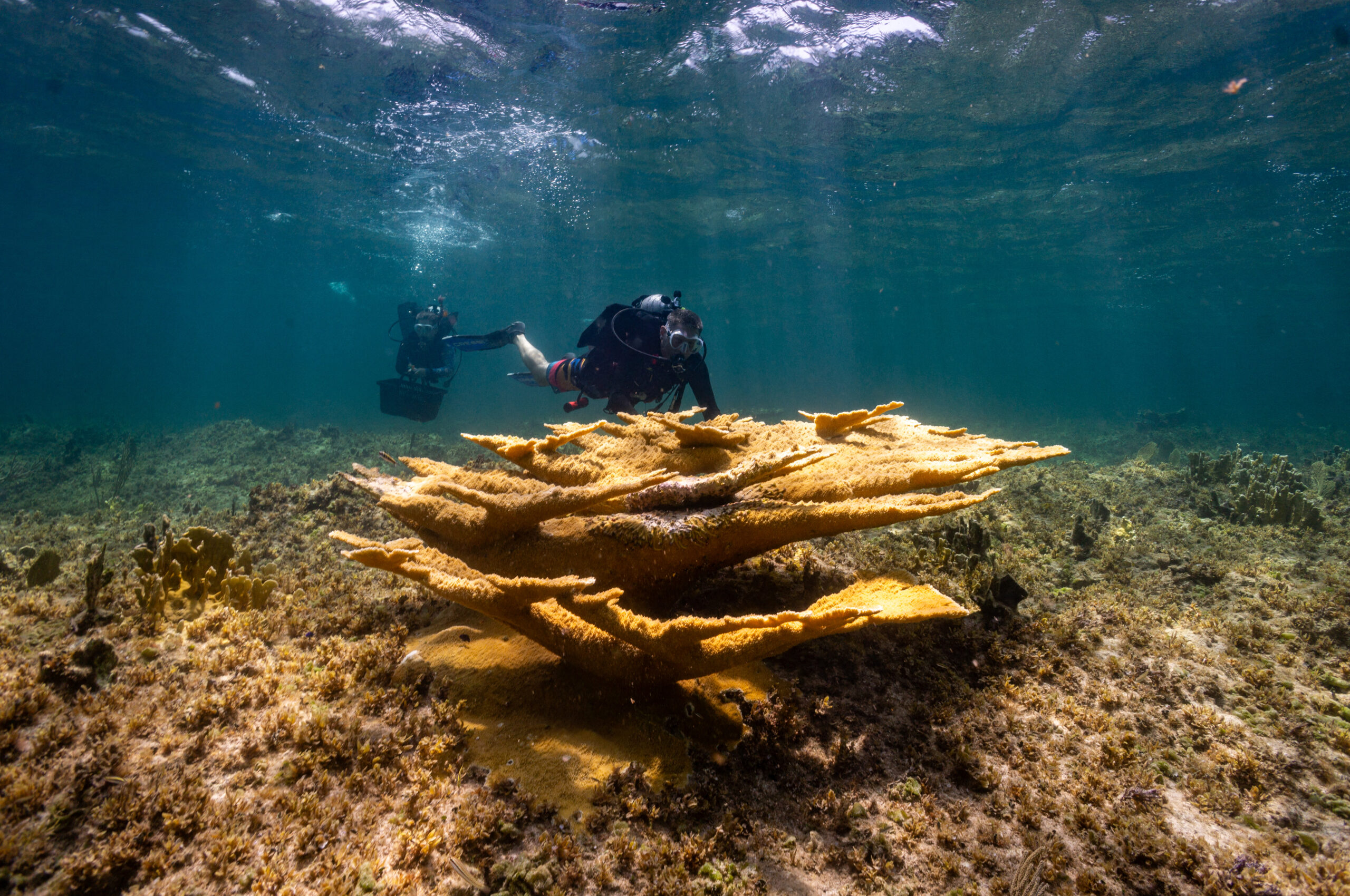
“Then came the discovery none of us expected – the remarkable Staghorn Haystack! Finding such an extensive stand of staghorn coral on these remote reefs is an exciting scientific discovery and a reminder that exploration still matters. What an invigorating and gratifying end to an incredible week! That moment happened because eighteen people committed to spending a week collaborating at sea. It belongs to all of us.” Alizée Zimmermann, Executive Director, Turks & Caicos Reef Fund
Returning to these same reef plots year after year allows researchers to build a long-term picture of how East Caicos is changing. Those findings will contribute to a planned Status of the Reef report expected in early 2027.
The expedition also highlighted something important: conservation is built on partnerships.
Researchers working alongside government agencies, photographers documenting the work in real time, technology specialists introducing new survey methods, and volunteers gaining hands-on experience collecting meaningful scientific data. Year after year throughout each collaborative expedition, the crew of the Turks & Caicos Explorer II keeps things running safely and efficiently, allowing every member of the team to focus on the work at hand.
For everyone onboard, the discovery reinforced something the team already believed: even after years of research, East Caicos still has more to teach us.
Article continues below.
2026 East Caicos Gallery
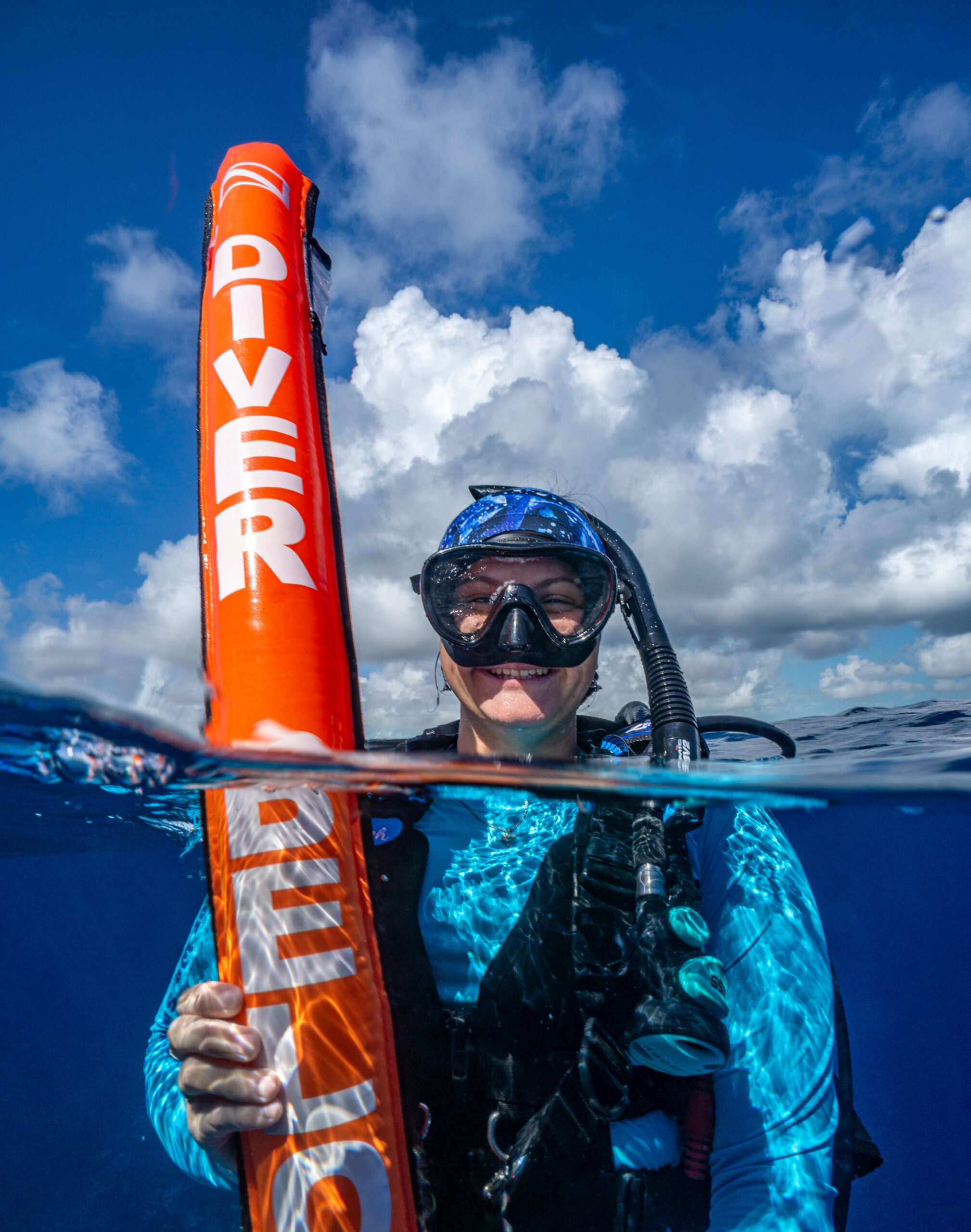
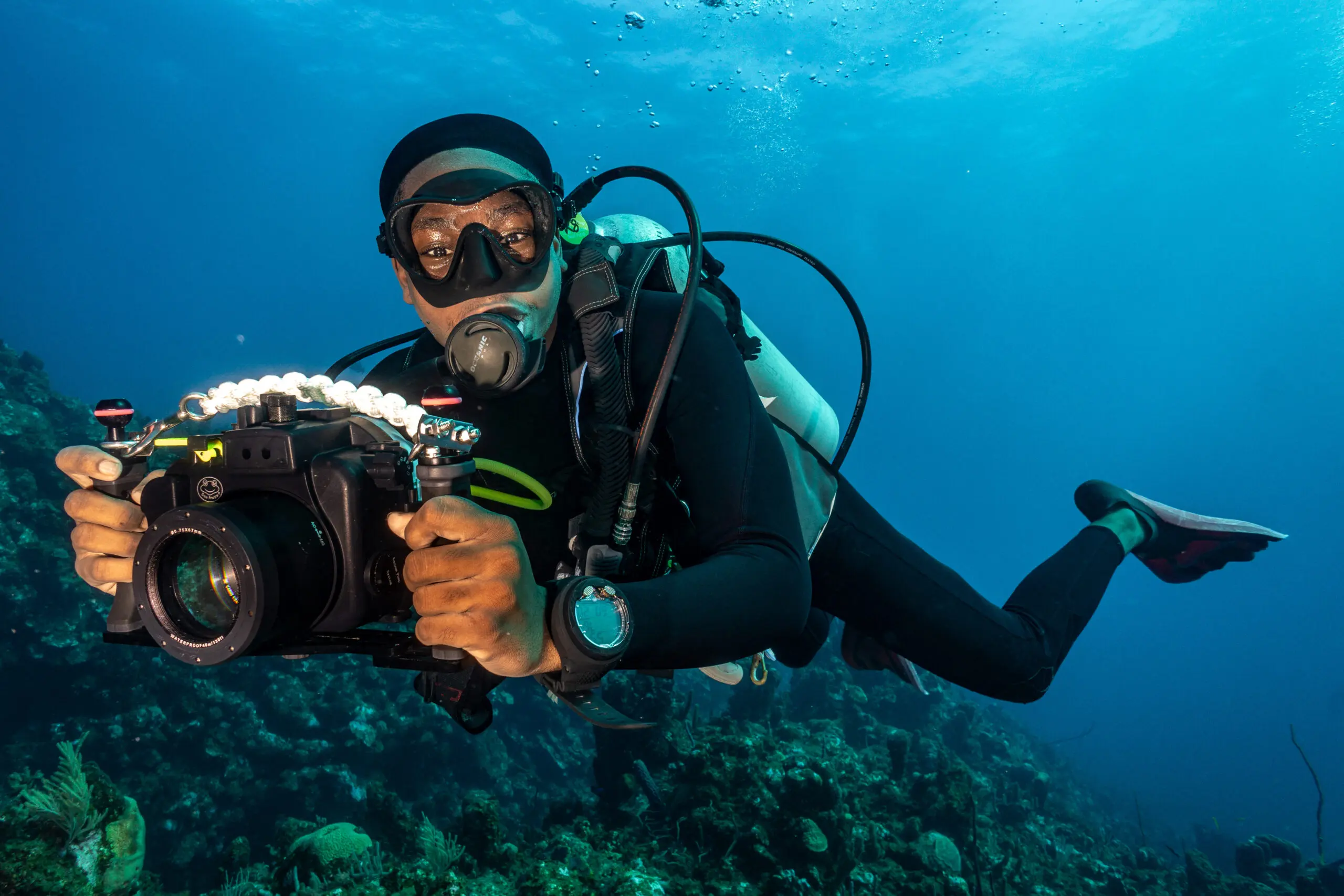
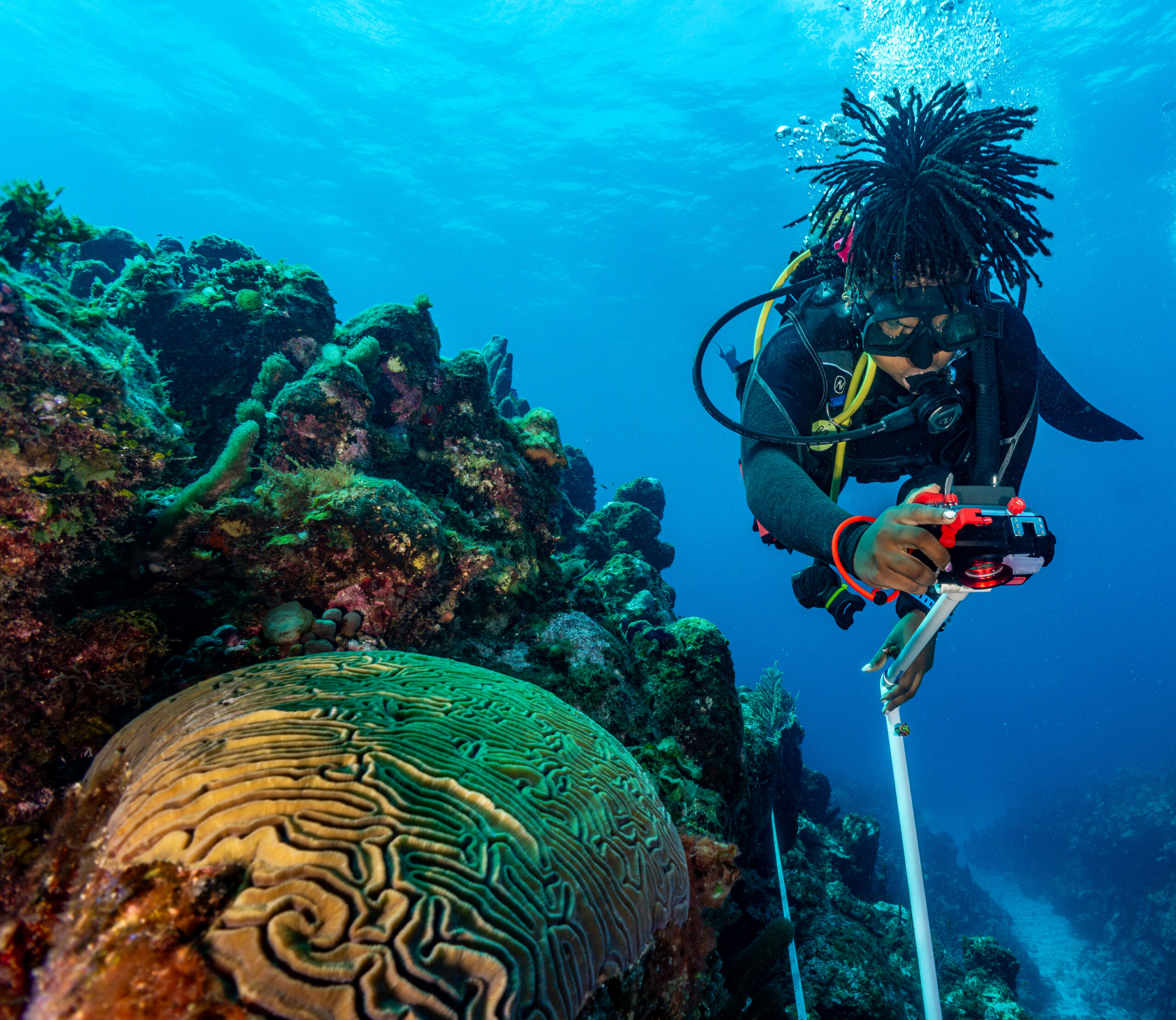
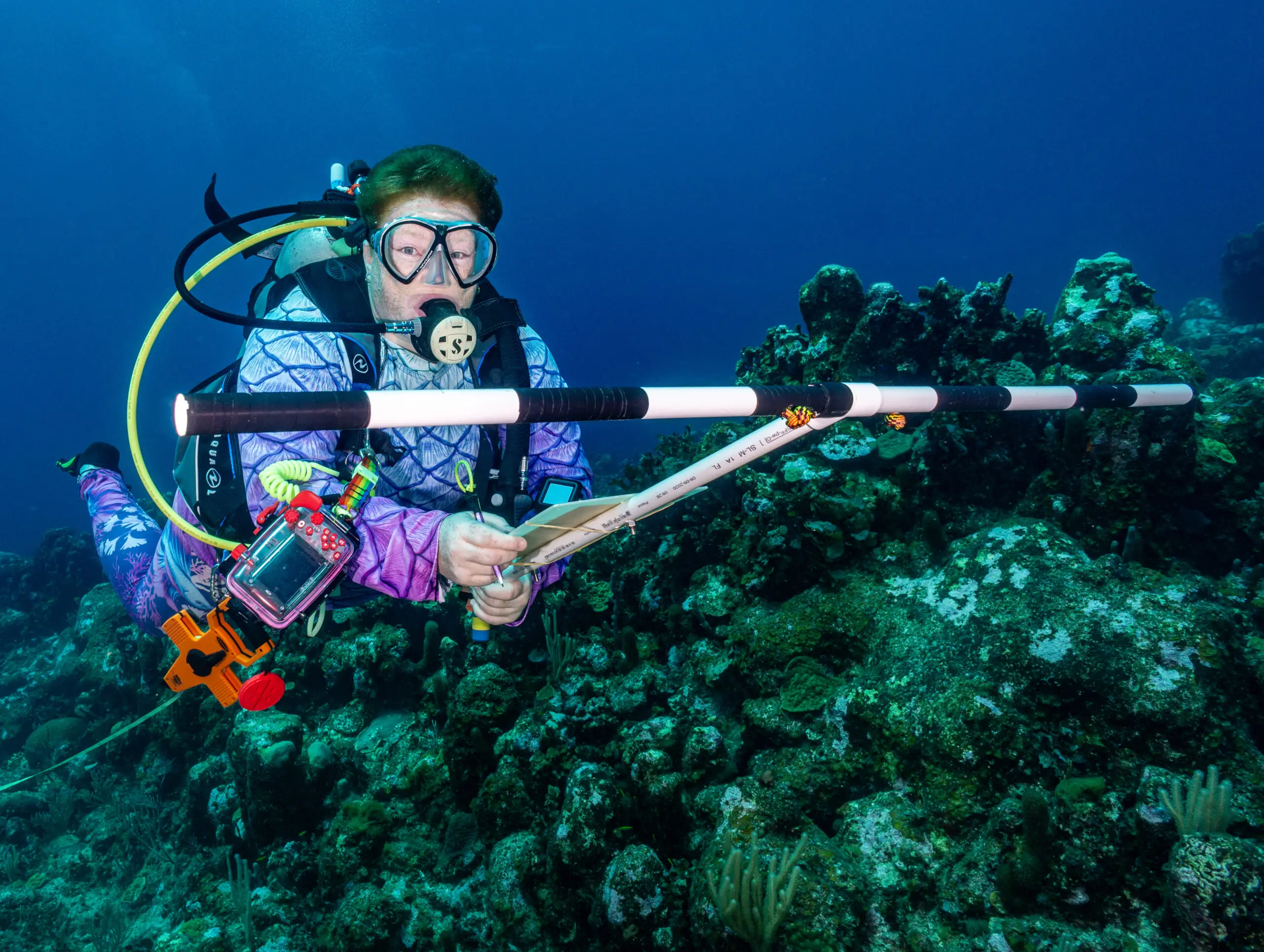
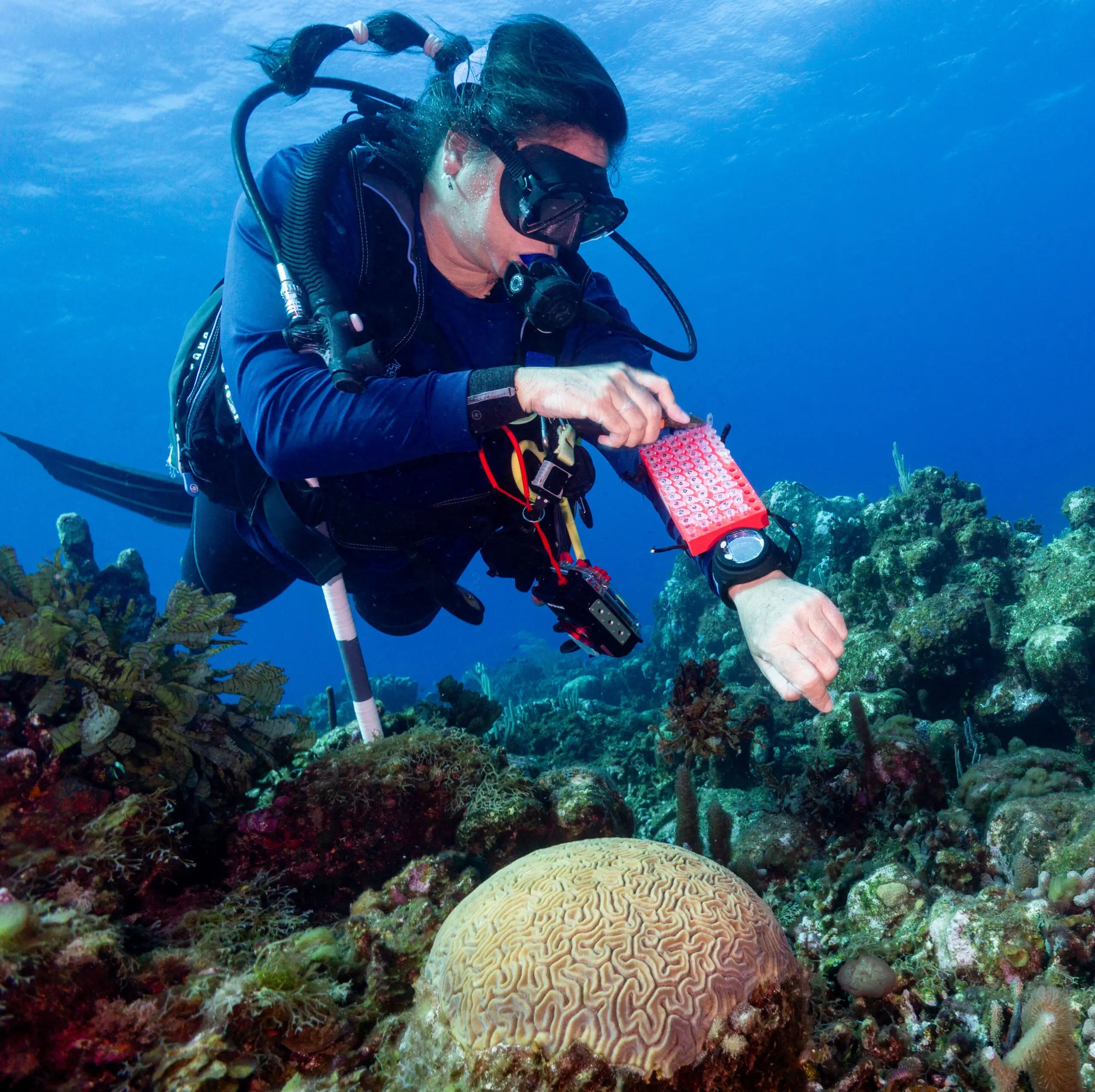
For Explorer Ventures, supporting this initaitive is a natural extension of our commitment to Dive Green.
“Starting from the early days of Explorer Ventures, we’ve believed liveaboards can do more than take divers to incredible places – they provide access to research, conservation, and education that simply wouldn’t be possible otherwise.” Diana Heaton, Vice President, Operations & Sales, Explorer Ventures Fleet
We’re proud that the Turks & Caicos Explorer II continues to play a role in protecting one of the Caribbean’s most vital reef systems, and we look forward to supporting the discoveries still to come.
To everyone who contributed their time, expertise, and enthusiasm this year thank you. We can’t wait to see where next year’s expedition leads!
___
Want to learn more?
Learn more about RumPowered Research® in our previous feature and explore how Explorer Ventures supports marine conservation through our Dive Green initiatives.
Book your next dive trip
Whether one destination stood out or you’re grabbing a deal, the next step is simple — start the conversation. Our team can help you compare itineraries, choose the right vessel, and find dates that fit your schedule and experience level.
Stay Connected
Follow along for real-time trip highlights, new itineraries, and life on board:
👉 Follow on Facebook
👉 Join us on Instagram
Explorer Ventures combines world-class destinations, diver-focused itineraries, experienced crews, and dedicated support from first inquiry to departure — making every trip seamless to plan and experience.
